
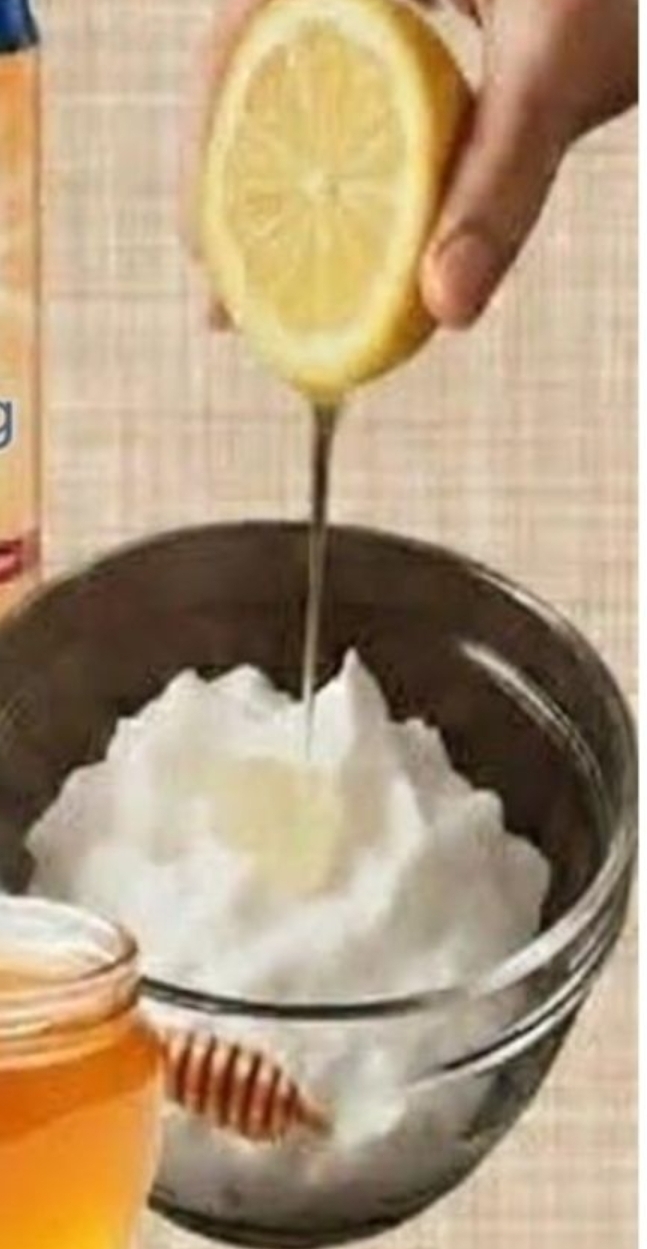
Natural Anti-Wrinkle Cream: A Gentle DIY Formula for Radiant Skin
If you’re looking for a simple, natural way to refresh dull skin and soften the look of fine lines, this gentle DIY mask has been gaining attention. Inspired by traditional home remedies, it combines moisture, mild exfoliation, and brightening ingredients.
But as with all skincare — especially DIY — safety and realistic expectations matter.
Why Skin Develops Fine Lines Over Time
Wrinkles form gradually as:
Collagen and elastin production decreases with age
Sun exposure accelerates breakdown (photoaging)
Environmental stress and pollution increase oxidative damage
Skin hydration levels decline
Topical skincare can’t stop aging, but certain ingredients can help:
Improve hydration (which temporarily plumps fine lines)
Support the skin barrier
Provide antioxidant protection
Encourage gentle cell turnover
The key is balance — supporting the skin without disrupting its protective barrier.
🌿 The Simple 3-Ingredient DIY Formula
This recipe uses common kitchen ingredients:
1️⃣ Raw Honey
Honey is a natural humectant, meaning it draws moisture into the skin. Well-hydrated skin often appears:
Smoother
Softer
Slightly plumper
Honey also contains mild antioxidants and soothing properties that may calm irritated skin.
Best benefit: hydration and glow.
2️⃣ Lemon Juice (Use With Caution)
Lemon juice contains:
Vitamin C
Citric acid (an alpha hydroxy acid)
In theory, this may support:
Gentle exfoliation
Temporary brightening
Collagen support (vitamin C role)
However:
Fresh lemon juice is highly acidic (low pH).
It can irritate skin.
It may increase photosensitivity.
It can cause post-inflammatory hyperpigmentation, especially in deeper skin tones.
For sensitive skin, dermatologists typically recommend formulated vitamin C serums instead of raw lemon juice.
3️⃣ Baking Soda (Sodium Bicarbonate)
Baking soda is mildly abrasive and alkaline.
It can:
Remove surface dead skin cells
Provide temporary smoothness
But it can also:
Disrupt the skin’s natural pH (which is slightly acidic)
Damage the moisture barrier if overused
Cause irritation or dryness
Because of this, it should be used sparingly — and not regularly.
How to Make & Use It Safely
Ingredients:
1 tablespoon raw honey
½ teaspoon fresh lemon juice
¼ teaspoon baking soda
Directions:
Mix honey and lemon juice in a clean bowl.
Add baking soda slowly and stir until smooth.
Perform a patch test on the inner arm. Wait 24 hours.
Apply a thin layer to clean, dry skin (avoid eye area).
Leave on for 8–10 minutes.
Rinse with lukewarm water.
Apply a gentle moisturizer immediately afterward.
Use sunscreen the next day.
Important Safety Guidelines
Use no more than once weekly.
Avoid if you have rosacea, eczema, or a compromised skin barrier.
Never use before sun exposure.
Discontinue if stinging, burning, or redness persists.
Remember: irritation accelerates skin aging. Gentle care always wins long term.
What Results Can You Realistically Expect?
Immediately after use, you may notice:
Softer texture
Brighter appearance
Temporary smoothness
What you likely won’t see:
Deep wrinkle reduction
Major tightening
Long-term collagen rebuilding
True structural anti-aging improvements typically require:
Consistent sunscreen use
Retinoids
Stabilized vitamin C
Peptides
Professional treatments when needed
Gentler Natural Alternatives
If you prefer plant-based skincare but want lower irritation risk, consider:
Aloe vera gel (soothing hydration)
Green tea extract (antioxidant support)
Chamomile (calming)
Pomegranate extract (antioxidants)
Hyaluronic acid serum (non-irritating hydration booster)
Plant oils like jojoba or rosehip (barrier support)
These options are often safer for regular use than acidic or alkaline kitchen ingredients.
The Bottom Line
This DIY mask may provide a temporary glow and smoother feel. However:
It is not a replacement for proven anti-aging skincare.
It should be used cautiously.
Protecting your skin barrier and wearing daily sunscreen are far more impactful long-term strategies.
Healthy, radiant skin is built through consistent, gentle care — not aggressive exfoliation.
This article is for informational purposes only and does not replace professional medical advice. Consult a dermatologist for personalized skincare recommendations, especially if you have sensitive or reactive skin.