
# Apple Seeds and Cancer Claims: What Science Actually Says
As health claims regarding food items grow more common, one of the more curious assertions is the alleged connection between apple seeds and cancer. Many people have come across suggestions circulating on the internet, often claiming that apple seeds contain compounds that can not only prevent cancer but may also lead to dangerous health consequences if consumed. With so much information available, it’s essential to look at the facts and examine scientific evidence related to apple seeds and cancer.
## Understanding Apple Seeds and Their Components
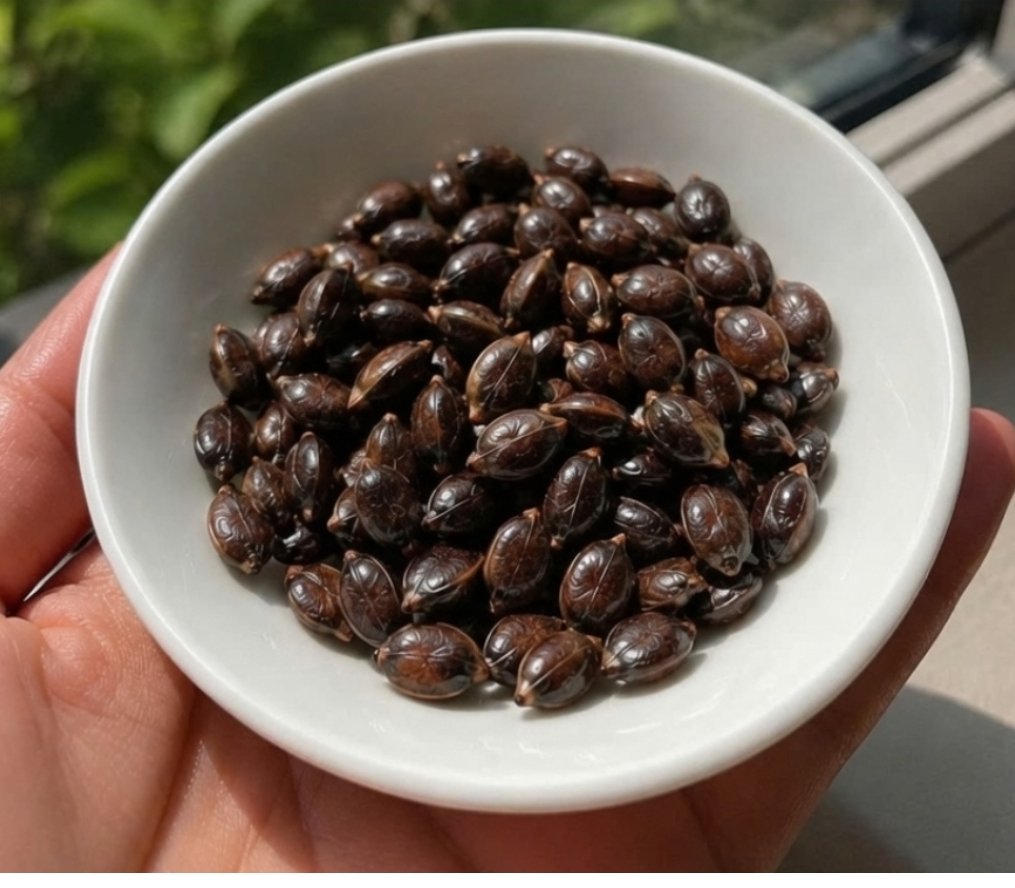
Apple seeds, also known as pips, are the small, brown seeds found at the core of apples. From a nutritional standpoint, these seeds contain several components, including fiber, fats, protein, and carbohydrates. However, what catches most people’s attention are the compounds called amygdalin and cyanogenic glycosides.
### Amygdalin: The Controversial Compound
Amygdalin is a naturally occurring compound found in the seeds of various fruits, including apples, peaches, and apricots. It is classified as a cyanogenic glycoside, which means that, under certain conditions, it can degrade into hydrogen cyanide, a potentially toxic substance.
While it is true that apple seeds contain amygdalin, the levels present in the seeds are relatively low. For an adult to experience harmful effects, one would need to consume an impractically high quantity of seeds — estimates suggest that it would take a few cups of apple seeds consumed in one sitting to pose a significant health risk.
### Vitamin B17: Myth or Reality?
Some proponents of alternative medicine refer to amygdalin as Vitamin B17, claiming that it has therapeutic properties, particularly in fighting cancer. However, this characterization is misleading. Scientific studies indicate that amygdalin does not have proven anti-cancer effects. In fact, the claims regarding Vitamin B17 and its efficacy in treating cancer have been debunked by multiple health organizations, including the Food and Drug Administration (FDA) and the American Cancer Society.
## Scientific Studies and Research Findings
To ascertain the validity of the claims linking apple seeds directly to cancer, we must delve into relevant scientific studies. Research exploring the potential health benefits and risks of consuming apple seeds has yielded varied results.
### Limited Evidence on Cancer Prevention
While some laboratory studies have shown that compounds found in apple seeds may possess anti-cancer properties in isolated environments, these results do not translate well to human consumption. For instance, a study might demonstrate that amygdalin can inhibit cancer cell growth in vitro, which refers to experiments conducted in controlled lab settings outside a living organism. However, translating these findings to actual therapeutic benefits in humans is a challenging process still under investigation.
### The Risk of Cyanide Poisoning
On the downside, excessive consumption of apple seeds poses a risk of cyanide poisoning. While the body can detoxify small amounts of cyanide, excessive doses can lead to respiratory failure, cardiac arrest, or death. Health authorities specify that eating apple seeds in moderation is generally safe; however, regularly consuming large quantities can have serious health repercussions.
## How Many Apple Seeds Are Safe?
When it comes to the safety of consuming apple seeds, moderation is key. A few apple seeds accidentally swallowed while enjoying a fresh apple are unlikely to cause any harm. The human body’s detoxifying mechanisms can handle trace amounts of cyanide that may be released from small quantities of seeds.
The consensus among nutritionists and health experts is that any potential health benefits from apple seeds do not outweigh the risks posed by cyanide toxicity. Consequently, it is wise to limit apple seed consumption to avoid unnecessary health risks.
## The Health Benefits of Apples Without Seeds
Rather than focusing on apple seeds, it is more beneficial to highlight the nutrition and health advantages of consuming apples themselves. Apples are rich in vitamins, particularly Vitamin C, fiber, and various antioxidants which can contribute to overall health. Regular consumption of apples has been linked to:
### 1. Improved Heart Health
The fiber and polyphenols found in apples are known to assist in maintaining healthy blood pressure and cholesterol levels. These components may reduce the risk of heart disease when included in a balanced diet.
### 2. Weight Management
Fruits like apples are low in calories, yet they are filling, making them an excellent choice for those looking to manage their weight. The fiber content promotes a sense of fullness, reducing the urge to snack on higher-calorie foods.
### 3. Lowered Risk of Certain Cancers
While apple seeds are not the go-to source for cancer prevention, the very fruit itself contributes to a lower risk of various cancers. Research indicates that the antioxidants and dietary fiber in apples may inhibit cancer cell growth and promote a healthy digestive system.
### 4. Better Digestive Health
Apples are an excellent source of dietary fiber, promoting healthy digestion and regular bowel movements. The fiber in apples, particularly soluble fiber, can aid in regulating blood sugar levels, contributing to overall digestive wellness.
## Conclusion: Separating Fact from Fiction
In conclusion, claims linking apple seeds directly to cancer prevention or treatment lack substantial scientific evidence. While apple seeds do contain amygdalin, the levels are low and potentially harmful in large quantities. It is crucial to consume them in moderation, though the general recommendation would be to avoid eating them altogether.
On the other hand, the consumption of apples as a whole offers numerous health benefits that cannot be overlooked. With their rich nutritional profile and association with diseases prevention, apples make a smart addition to a balanced diet. Hence, rather than focusing on apple seeds, enjoy the myriad of benefits that the luscious fruit itself has to offer. By understanding the facts surrounding apple seeds and cancer claims, consumers can make informed choices that prioritize their health and well-being.