
# Moringa for Collagen Production: How This Superfood Supports Skin Health Naturally
Moringa, often heralded as a superfood, has taken the health and wellness industry by storm. With its rich nutrient profile and myriad health benefits, moringa has become a go-to supplement for those seeking to enhance their overall well-being. However, one of its most promising benefits lies in its potential to support collagen production and improve skin health. This article delves into how moringa contributes to collagen production and why it is essential for maintaining youthful, vibrant skin.
## Understanding Collagen and Its Importance
Collagen is a crucial protein found in the skin, joints, and connective tissues. It plays a significant role in providing structure, elasticity, and hydration to the skin. As we age, our natural collagen production decreases, which can lead to the development of wrinkles, sagging skin, and other signs of aging. Environmental factors such as sun exposure, pollution, and poor diet can also diminish collagen levels, making it essential to incorporate collagen-boosting foods into our diets.
## What Is Moringa?
Moringa, scientifically known as Moringa oleifera, is a fast-growing tree native to parts of Africa and Asia. Often referred to as the “drumstick tree” or “miracle tree,” it is packed with essential vitamins, minerals, and antioxidants. Moringa leaves, in particular, are nutrient-dense, containing high levels of vitamins A, C, and E, all of which play a vital role in skin health and collagen synthesis.
### Nutritional Profile of Moringa
Moringa leaves are a powerhouse of nutrients:
– **Vitamins**: Moringa is rich in vitamins A, C, and E, which are essential for collagen formation and skin repair.
– **Minerals**: Packed with calcium, magnesium, and potassium, moringa helps maintain skin hydration and elasticity.
– **Antioxidants**: The presence of antioxidants in moringa protects the skin from oxidative stress and free radicals that can damage collagen fibers.
## How Moringa Supports Collagen Production
### 1. Rich in Vitamin C
Vitamin C is critical for collagen synthesis. It acts as a co-factor for enzymes involved in collagen formation and helps stabilize the collagen molecule. Moringa leaves are high in vitamin C, making it an excellent natural source to support collagen production. Incorporating moringa into your diet can enhance your skin’s ability to produce collagen naturally.
### 2. Antioxidant Properties
Oxidative stress is a significant factor that accelerates skin aging and diminishes collagen levels. Moringa is loaded with antioxidants, such as quercetin, chlorogenic acid, and beta-carotene, which combat free radicals in the body. By reducing oxidative stress, moringa helps protect existing collagen and promotes skin health.
### 3. Anti-Inflammatory Effects
Chronic inflammation can lead to skin damage and collagen breakdown. Moringa possesses powerful anti-inflammatory properties that can help reduce inflammation in the body. This reduction in inflammation not only benefits overall health but also aids in the preservation of collagen and skin integrity.
### 4. Hydration and Elasticity
Hydration is crucial for maintaining the elasticity of the skin. Moringa has hydrating properties that can contribute to overall skin moisture levels. Well-hydrated skin supports collagen fibers, helping them to maintain their structure and function effectively.
## Ways to Incorporate Moringa into Your Diet
Adding moringa to your daily routine can be easy and delicious. Here are some practical ways to include moringa in your diet:
### 1. Moringa Powder
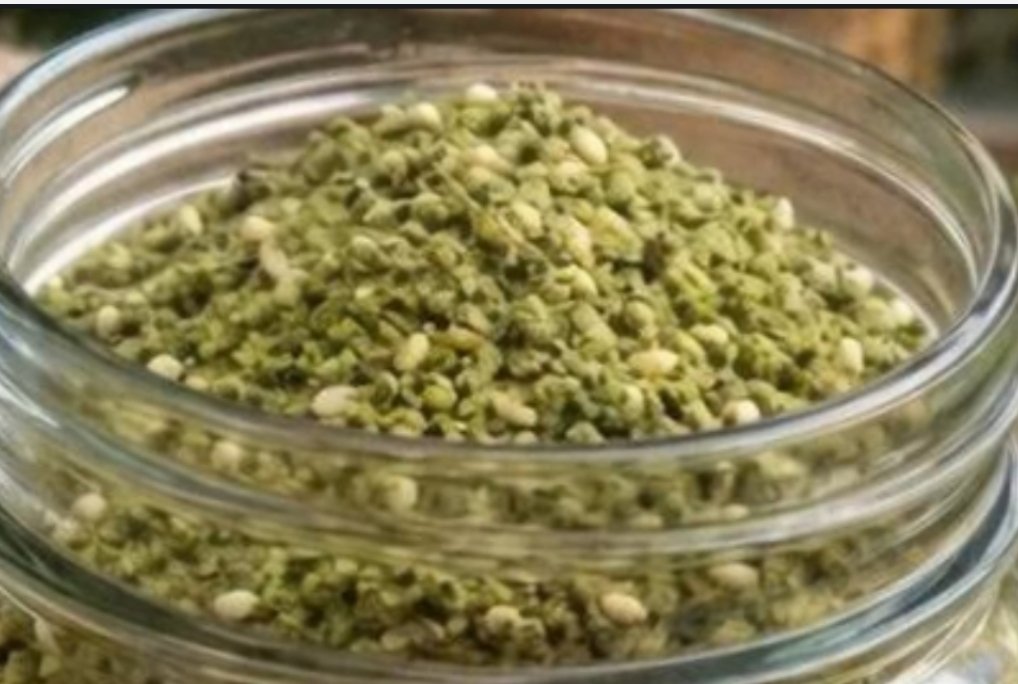
Moringa powder is one of the most versatile forms available. You can add it to smoothies, soups, or salad dressings. Consider mixing a teaspoon of moringa powder into your morning smoothie for a nutrient boost.
### 2. Moringa Tea
Moringa tea is a flavorful option that allows you to enjoy the benefits of moringa in a comforting beverage. Simply steep moringa leaves in hot water or opt for pre-packaged moringa tea bags.
### 3. Moringa Capsules
For those who prefer a supplement form, moringa capsules make it easy to reap the benefits without changing your diet significantly. However, it’s essential to choose high-quality moringa capsules from a reputable source.
### 4. Culinary Uses
Moringa leaves can be used fresh in salads or as a cooked green. They can be added to dishes like curries or stir-fries to enhance both the flavor and nutritional value.
## Conclusion
Incorporating moringa into your daily routine can significantly benefit skin health, primarily through its support of collagen production. With its rich array of vitamins, antioxidants, and anti-inflammatory properties, moringa stands out as an essential superfood for those seeking to maintain youthful, healthy skin. By taking advantage of the many ways to include moringa in your diet, you not only support your skin’s collagen levels but also enhance your overall health and wellness. Explore the benefits of moringa today and unlock the secret to natural skin rejuvenation!