
# The Mystery of the Lobster’s “Green Goodies”: A Gentle, Science-Backed Guide to Tomalley
When it comes to seafood delicacies, lobster stands out as a favorite for many. Beyond the succulent meat of the claws and tail, there lies a fascinating substance within the lobster known as tomalley. Often referred to as the lobster’s “green goodies,” tomalley raises questions about its safety, nutritional value, and culinary uses. In this article, we delve into the science of tomalley, shedding light on its mysteries and exploring its role in the seafood industry.
## What is Tomalley?
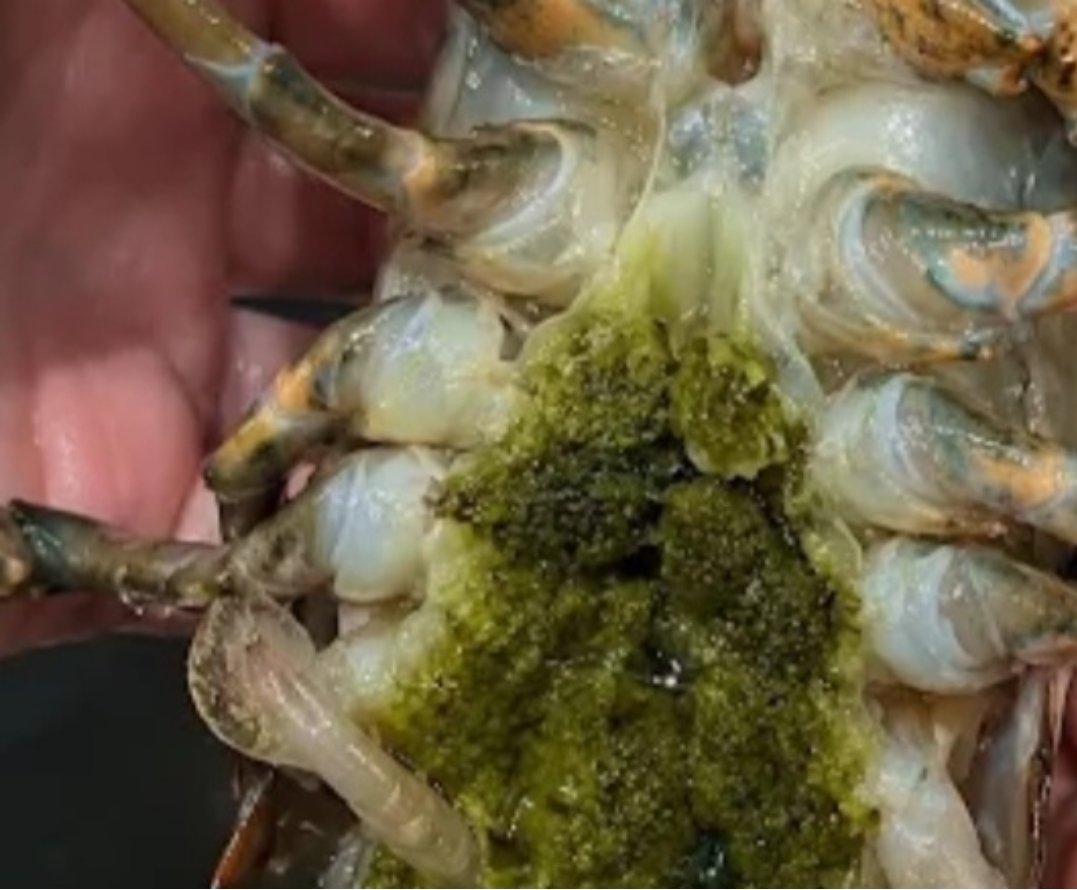
Tomalley is the soft, green substance found in the body cavity of a lobster, serving as the lobster’s liver and pancreas. This organ is responsible for essential biological functions, including digestion and detoxification. The color of tomalley can vary from pale yellow-green to a deep olive green, depending on the lobster’s diet and health.
### Nutritional Profile of Tomalley
Tomalley is often considered a delicacy by seafood enthusiasts, not only for its unique flavor but also for its nutritional value. It’s rich in the following nutrients:
– **Proteins**: Tomalley contains high levels of proteins that are essential for growth and repair of tissues.
– **Omega-3 Fatty Acids**: These healthy fats are important for heart and brain health and contribute to reducing inflammation in the body.
– **Vitamins and Minerals**: Tomalley is a source of various vitamins (like A and B12) and minerals (including zinc and selenium), crucial for maintaining overall health.
### Culinary Uses of Tomalley
Tomalley has a distinct, rich flavor that can enhance various dishes. It is commonly used to:
– **Make Sauces**: Chefs often incorporate tomalley into sauces for seafood dishes, adding depth and a luxurious texture.
– **Enhance Soups**: Adding tomalley to lobster bisque or chowder can elevate the soup’s flavor profile.
– **Serve as a Spread**: Some culinary enthusiasts use tomalley as a spread on bread, offering a unique taste experience.
### Safety Considerations
While tomalley can offer a delightful culinary experience, it’s essential to consider safety precautions. Lobsters can accumulate toxins from their environments, particularly in contaminated waters. These toxins can sometimes be concentrated in the tomalley. Here are key points to keep in mind:
– **Contamination Risks**: Tomalley can contain pollutants like heavy metals or natural toxins, particularly during certain seasons. Health authorities often issue advisories on lobster tomalley consumption in affected areas.
– **Moderation is Key**: Consuming tomalley in moderation can help reduce potential health risks. It is advisable to avoid tomalley from lobsters sourced from waters with known contamination issues.
– **Cooking and Preparation**: Properly cooked lobster reduces the risk of foodborne illness. Ensure that lobsters are fresh and from reputable sources.
### Environmental Impact and Sourcing
As the demand for lobster and its by-products, like tomalley, continues to grow, sustainable sourcing practices have become increasingly important. Overfishing can threaten lobster populations and disrupt marine ecosystems. Here are some sustainable practices to consider:
– **Support Local Fisheries**: Purchasing lobsters from local fishermen who follow sustainable catching methods can help preserve lobster populations.
– **Check for Certifications**: Look for seafood that has been certified by organizations like the Marine Stewardship Council, ensuring that the lobster was caught through sustainable practices.
### How to Select the Best Lobster
Choosing the right lobster is crucial for enjoying quality tomalley. Here are some tips to select fresh lobsters:
– **Live Lobsters**: Always opt for live lobsters when possible, as they ensure the freshest flavors. Look for lively and active lobsters that respond to touch.
– **Shell Condition**: A hard shell often indicates a healthy lobster. The shell should feel firm and free of cracks or blemishes.
– **Color and Smell**: Fresh lobsters should have a clean, ocean-like smell, and the body should have a bright color.
## Conclusion
The mystery of the lobster’s tomalley, often dubbed its “green goodies,” offers a unique glimpse into the world of seafood sourcing and culinary delights. While tomalley boasts nutritional benefits and adds richness to dishes, it’s essential to be mindful of safety considerations and environmental impacts. By selecting ethically sourced seafood and enjoying tomalley in moderation, you can savor this delicacy and appreciate the intricate balance of marine ecosystems. Whether you choose to incorporate tomalley into your culinary adventures or enjoy it as a standalone delicacy, you are partaking in a time-honored tradition that connects food lovers to the ocean’s bounty. So, the next time you indulge in a lobster dish, consider exploring the world of tomalley and discover a new dimension of flavor and health.