
# What Parents Should Know About Ticks: Small Creatures, Big Concerns
Ticks may be small, but the concerns they bring to parents are anything but insignificant. These tiny arachnids can transmit serious diseases to both humans and pets, making it crucial for parents to be informed about tick prevention, identification, and management. This article delves into the critical aspects of ticks, aiming to equip parents with the knowledge necessary to protect their families.
## Understanding Ticks and Their Threats
Ticks are external parasites that feed on the blood of mammals, birds, reptiles, and amphibians. There are over 900 tick species worldwide, with several known to tick bite hazards in the United States. The most concerning among them include the black-legged tick, the western black-legged tick, the dog tick, and the lone star tick.
### Diseases Spread by Ticks
Ticks are notorious for transmitting a variety of diseases that can pose significant health risks to both children and adults. Some of the most common tick-borne illnesses include:
– **Lyme Disease**: Caused primarily by the bite of the black-legged tick, Lyme disease can lead to serious long-term health issues if untreated. Symptoms may include fever, fatigue, headache, muscle and joint aches, and a characteristic skin rash.
– **Rocky Mountain Spotted Fever**: Transmitted by the dog tick, this illness can cause fever, nausea, headache, and a rash. Immediate medical attention is necessary to prevent severe complications.
– **Anaplasmosis**: Caused by a bacterium carried by black-legged ticks and can result in high fever, chills, and muscle pain.
– **Ehrlichiosis**: Similar to anaplasmosis, this disease can cause flu-like symptoms.
Given the potential severity of these diseases, understanding ticks is essential for safeguarding your loved ones.
## How to Identify Ticks
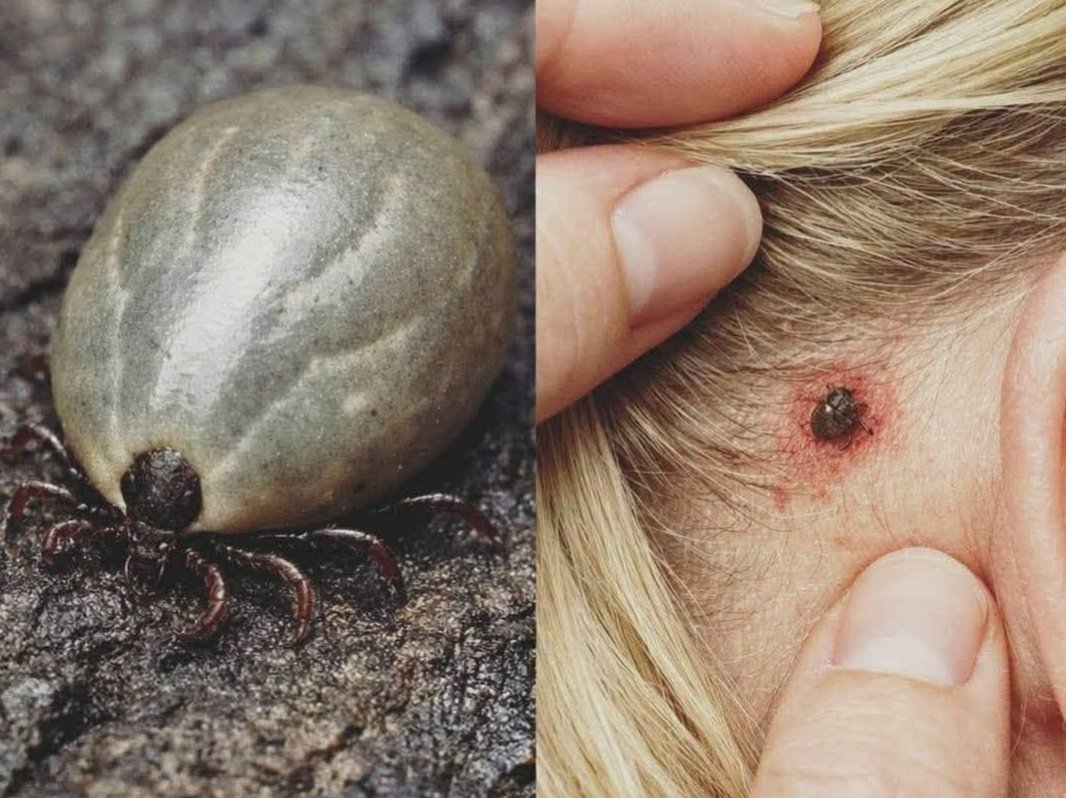
Recognizing ticks is vital for early detection and removal. Ticks generally have a flat, oval-shaped body that expands after feeding. They can range in size from a pinhead to about half an inch in length when engorged. Ticks can be identified in several stages of their lifecycle, including:
– **Larvae**: Very small and often difficult to see.
– **Nymphs**: Also small, nymphs are more likely to bite humans because their size makes them less noticeable. They are active from May to July.
– **Adults**: Adults are easier to spot but are typically more visible in the fall and spring.
### Visual Inspection
To ensure safety, parents should perform visual inspections for ticks on themselves and their children after outdoor activities, especially in grassy and wooded areas. Common areas where ticks tend to hide include:
– Behind the ears
– Underarms
– The scalp
– The back of the knees
– Around the waist
## How to Remove a Tick Properly
If you find a tick, it’s essential to remove it quickly and correctly to reduce the risk of disease transmission. Here’s a step-by-step guide:
1. **Use Fine-Tipped Tweezers**: Grasp the tick as close to your skin’s surface as possible.
2. **Pull Upward With Steady Even Pressure**: Avoid twisting or jerking, as this can cause the mouth-parts to break off and remain in the skin.
3. **Clean the Area**: After removal, clean the bite area and your hands with rubbing alcohol, soap, and water, or an antiseptic.
4. **Monitor for Symptoms**: Keep an eye on the bite site for a few weeks. Seek medical attention if you notice any unusual symptoms.
## Preventive Measures for Parents
Prevention is the most effective strategy for reducing tick exposure. Here are some essential tips for keeping your family safe:
### Dress Appropriately
When heading into wooded or grassy areas, dress children in long-sleeved shirts, long pants, and closed-toe shoes. Light-colored clothing makes ticks easier to spot.
### Use Repellents
Apply insect repellents that contain active ingredients like DEET, picaridin, or oil of lemon eucalyptus on exposed skin and clothing. Always follow the manufacturer’s instructions for application and age recommendations.
### Create Tick-safe Zones
If you have a yard, consider establishing tick-safe zones by making your lawn less inviting for these pests. Keep grass cut short, clear tall grasses and brush, and create a barrier of wood chips or gravel between wooded areas and play spaces.
### Regularly Check for Ticks
Perform tick checks after outings, especially after hiking, camping, or any outdoor activities. Make it a routine part of bath time to inspect skin and hair for ticks.
## Educating Children About Ticks
Educate your children about ticks in an age-appropriate manner. Teach them what ticks look like and why it’s essential to let an adult know if they feel something unusual on their skin. This knowledge can empower them and help to identify potential risks before they escalate.
## Conclusion
Ticks may be small, but the potential health risks they pose are significant, especially for children. By understanding ticks, their dangers, and effective prevention strategies, parents can play an active role in keeping their families safe. Remember, knowledge is power—stay informed, take necessary precautions, and maintain vigilant checks. By doing so, you can enjoy outdoor fun without the fear of tick-borne diseases.