
Don’t Be Fooled: A Practical Guide to Choosing Fresh, High-Quality Meat
When it comes to buying meat, consumers often feel overwhelmed by the myriad of options available at supermarkets. However, understanding how to select fresh, high-quality meat is crucial for both flavor and food safety. In this guide, we will empower you with the knowledge to spot freshness, avoid spoilage, and make confident choices for your family.
Why Fresh Meat Matters
Choosing fresh meat is not just about taste; it also directly impacts your health. Fresh meat is more nutritious and free from harmful bacteria that can proliferate in poorly handled or stored products. Understanding what makes meat fresh can lead to healthier meals and a safer dining experience.
The Nutritional Benefits of Fresh Meat
Fresh meat retains more nutrients compared to processed or older meat products. Here are some of the key benefits:
- Higher Protein Content: Fresh meat contains a higher concentration of protein, which is vital for muscle building and repair.
- Essential Vitamins: Fresh meat, especially red meat, is rich in B vitamins, including B12, which is important for brain health.
- Minerals: Fresh meat is a great source of important minerals such as iron and zinc, necessary for various bodily functions.
Identifying Fresh Meat: Key Indicators
Recognizing the signs of fresh meat is essential for making safe and tasty purchases. There are several indicators you should consider while shopping at your local supermarket.
Visual Inspection
The first step in evaluating meat freshness is conducting a visual inspection:
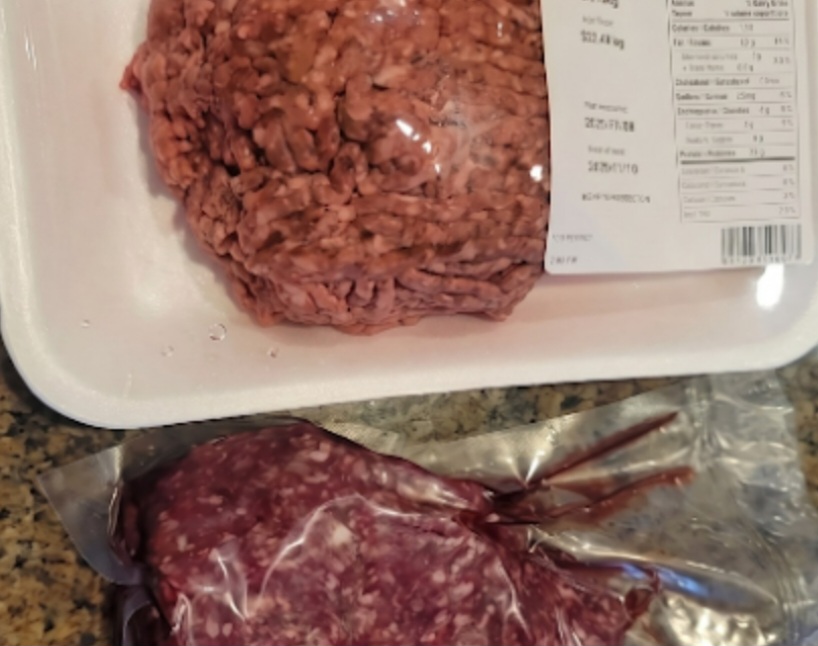
- Color: Fresh meat should have a vibrant color. For instance, beef should be a deep, rich red, while pork should have a light pink hue. Avoid meat that appears discolored or has dark spots.
- Marbling: Look for fine streaks of fat throughout the muscle (marbling) in beef, as this indicates higher quality and flavor.
- Surface Texture: Fresh meat should be firm and moist, not slimy or sticky. A sticky texture may indicate spoilage.
Smell Test
The aroma of the meat can also provide clues about its freshness. Fresh meat should have a mild, pleasant smell, while spoiled meat emits a foul or sour odor. If you are in doubt, it’s best to avoid purchasing it.
Packaging and Labeling
Pay close attention to the packaging and label of the meat:
- Expiration Dates: Always check the sell-by and use-by dates to ensure freshness. Purchasing meat as close to the sell-by date can be risky.
- Packaging Integrity: Ensure the packaging is intact with no tears or leaks. Damaged packaging can lead to contamination.
- Label Information: Look for specific information on how the animal was raised (e.g., grass-fed, antibiotic-free). This can also indicate overall meat quality.
Best Practices for Storing and Handling Fresh Meat
Once you have purchased fresh meat, proper storage and handling are equally important to maintain its quality. Following these best practices can help minimize spoilage and foodborne illnesses.
Storage Techniques
- Refrigeration: Always store fresh meat in the refrigerator at temperatures below 40°F (4°C). Use the meat within 1-2 days of purchase for optimal freshness.
- Freezing: If you cannot consume the meat within the recommended timeframe, consider freezing it. Wrap it tightly in plastic wrap or foil and use within 6 months for best results.
- Separation: Keep raw meat separate from other foods in your refrigerator to avoid cross-contamination. Use separate cutting boards for raw meat and vegetables.
Thawing Meat Safely
If you have frozen meat, it’s important to thaw it safely:
- Thaw meat in the refrigerator rather than at room temperature to keep it out of the danger zone (40°F – 140°F, or 4°C – 60°C).
- You can also thaw meat in cold water, ensuring the packaging is airtight and changing the water every 30 minutes.
- Microwave thawing is acceptable but should be followed by immediate cooking.
Cooking Fresh Meat: Tips for Optimal Flavor and Safety
Cooking fresh meat properly not only enhances its flavor but also ensures safety from foodborne pathogens. Follow these tips for cooking fresh meat.
Cooking Techniques
Different types of meat require different cooking methods:
- Beef: Grilling, roasting, and braising are common ways to prepare beef. Always allow beef to rest after cooking to retain juices.
- Pork: The safe internal temperature for pork is 145°F (62.8°C). Cooking methods include baking, grilling, and slow cooking.
- Poultry: Chicken and turkey should always be cooked to an internal temperature of 165°F (73.9°C). Roasting, sautéing, and frying are popular methods.
Seasoning and Pairing
Enhance the natural flavors of meat with appropriate seasonings:
- Herbs and Spices: Fresh herbs like rosemary, thyme, and basil pair well with meats and can elevate the dish’s flavor.
- Marinades: Marinating meat before cooking helps tenderize it and infuses additional flavors. Aim for at least 30 minutes of marination before cooking.
- Sides: Pair meats with seasonal vegetables or grains for a balanced meal that highlights the freshness of your ingredients.
Conclusion: Making Empowered Choices at the Meat Counter
By understanding how to choose, store, and cook fresh meat, you empower yourself and your family to make healthier, informed choices. Remember, the key indicators of freshness include visual inspections, smell tests, and proper handling practices. Taking these steps will ensure that you enjoy high-quality meat that is nutritious and delicious. Don’t be fooled by misleading labels or appearances; always be diligent when selecting meat. Your family’s health and well-being are worth the effort.
With this practical guide, you are now equipped to confidently navigate the meat section of any supermarket, ensuring that the quality of the meat you bring home meets your dietary and culinary standards.