
Don’t Be Fooled: A Practical Guide to Choosing Fresh, High-Quality Meat at the Supermarket
When it comes to grocery shopping, selecting fresh, high-quality meat can significantly impact both the flavor and nutritional value of your meals. However, with an overwhelming variety of options and marketing tactics, it can be easy to feel misled. This practical guide aims to equip you with the knowledge necessary to identify superior meat products while shopping at your local supermarket.
Understanding Meat Grading
Before heading out to purchase meat, it’s essential to understand how meat quality is graded. In many countries, meat grading is a voluntary process controlled by agricultural departments. Meat is usually classified into three main grades:
1. Prime: This grade applies to beef that has abundant marbling and superior tenderness, juiciness, and flavor. It is typically found in high-end restaurants and specialty markets.
2. Choice: Slightly less marbled than Prime, Choice meat is still of high quality and is widely available. It offers a good balance of flavor and tenderness.
3. Select: This grade is leaner with less marbling than Choice and Prime. While it can be flavorful, it may lack the tenderness and richness of the higher grades.
Understanding these grades will help you make informed choices based on your budget and culinary needs.
Look for Freshness Indicators
When selecting fresh meat, consider the following freshness indicators:
Color
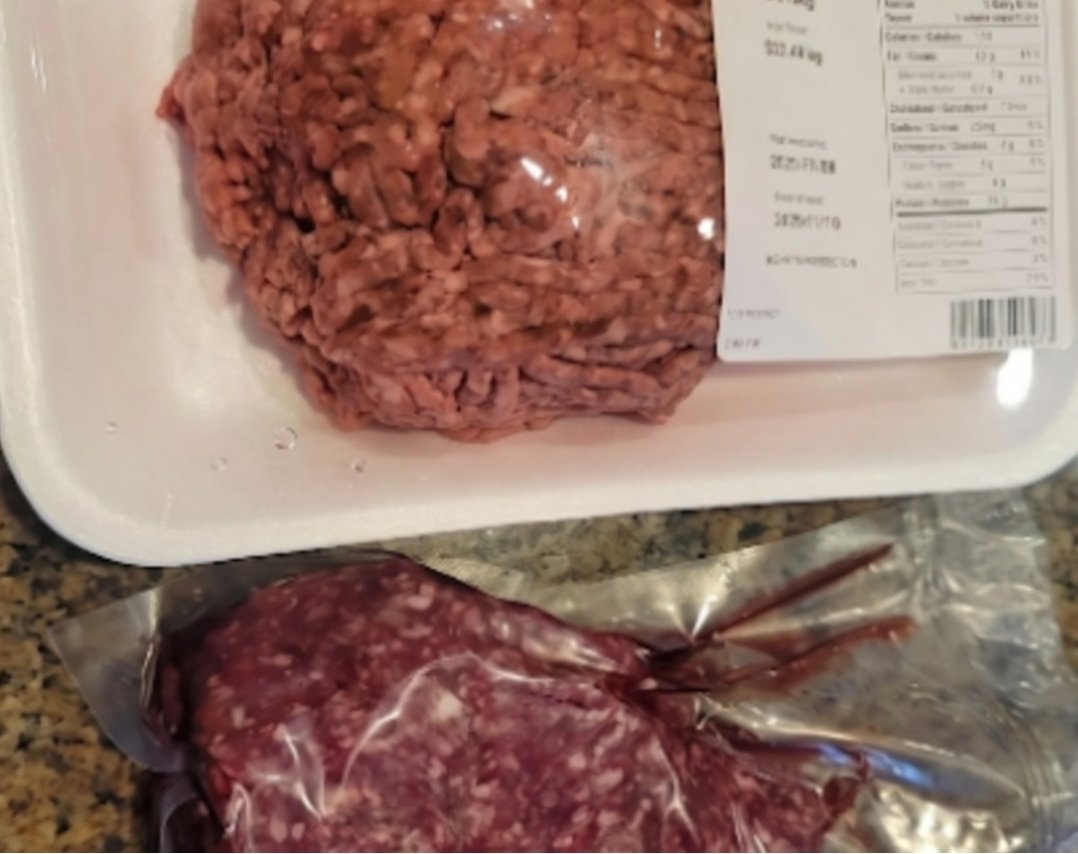
Fresh red meat should be a bright cherry red color. A darker, purplish hue may indicate that the meat is older or not fresh. Poultry should appear pale, while fish should have vibrant colors, indicating that it was handled properly.
Smell
Fresh meat should not have any off-putting smells. If you detect a sour or rancid odor, it’s a sign that the meat is not fresh and should be avoided.
Texture
Good quality meat feels firm to the touch and retains its shape. If the meat feels slimy or sticky, it may be spoiled.
Packaging Matters
The type of packaging your meat comes in can be telling. Here are some key points to consider when assessing packaging:
Integrity of Seal
Always check the packaging for tears or leaks. A properly sealed package ensures that the meat is protected from bacteria and other contaminants. Increased exposure to air can accelerate spoilage.
Expiration Date
Always look for the sell-by or expiration date on the package. If the date is approaching or has passed, do not purchase the meat.
Labels and Certifications
While shopping for meat, pay attention to labels. Look for terms like “organic,” “grass-fed,” or “hormone-free.” While these labels may lead to a higher price tag, they often indicate a higher ethical standard and potentially better nutritional value.
Explore Different Cuts of Meat
When selecting meat, it’s important to know that different cuts come with varied flavors and tenderness. Some points worth noting about various cuts include:
Beef
– Tender Cuts: Such as fillet mignon or ribeye are well-suited for grilling and quick cooking.
– Tough Cuts: Cuts like chuck roast or brisket benefit from long cooking methods, such as braising or slow roasting.
Pork
– Loin Cuts: Tender and ideal for roasting or grilling, such as pork chops.
– Shoulder Cuts: Better suited for slow-cooked recipes like pulled pork.
Poultry
– Breast Meat: Leaner but can dry out if overcooked. Ideal for sautéing or grilling.
– Dark Meat: Thighs and drumsticks are moist and flavorful, perfect for baking or frying.
Fish
– Firm Fish: Such as salmon and tuna are versatile and can be grilled or pan-seared.
– Delicate Fish: Like sole and flounder, require gentle cooking methods.
Buy in Bulk and Freeze
If you find high-quality deals on meat, consider buying in bulk. Make sure to divide larger portions into smaller sizes and freeze them for long-term storage. This way, you can take advantage of sales while maintaining the quality of your meat.
Ask Your Butcher for Advice
If your supermarket has a butcher, don’t hesitate to ask them for recommendations. Butchers are knowledgeable about the different cuts and can provide you with insights on how to cook them properly. They may also have access to higher-quality meat that isn’t displayed on the shelves.
Using Online Resources
Before heading to the supermarket, look through online resources and reviews of local meat markets and grocery stores. There are numerous websites that specialize in consumer reviews, which can help pinpoint stores that prioritize quality meats.
Cooking Tips for the Best Flavor
Choosing high-quality meat is just the first step; cooking it properly plays an equally important role. Here are a few cooking tips to maximize flavor:
– Marinate: Consider marinating tougher cuts of meat to enhance flavor and tenderness. Use acidic ingredients like vinegar or citrus juice to break down connective tissues.
– Season Generously: Use a good amount of salt and herbs to help bring out the natural flavors of the meat.
– Cook at the Right Temperature: Make sure you’re cooking at the appropriate temperature for the cut of meat; use a meat thermometer to ensure it’s cooked through but still juicy.
Conclusion
By following this practical guide to selecting fresh, high-quality meat, you can enhance your culinary experience while ensuring you provide nutritious and flavorful meals for yourself and your family. Understanding meat grading, recognizing freshness indicators, exploring different cuts, and seeking advice from your butcher are all vital steps in making informed decisions when purchasing meat. Happy cooking, and don’t be fooled by marketing gimmicks—choose wisely for the best dining experience!