
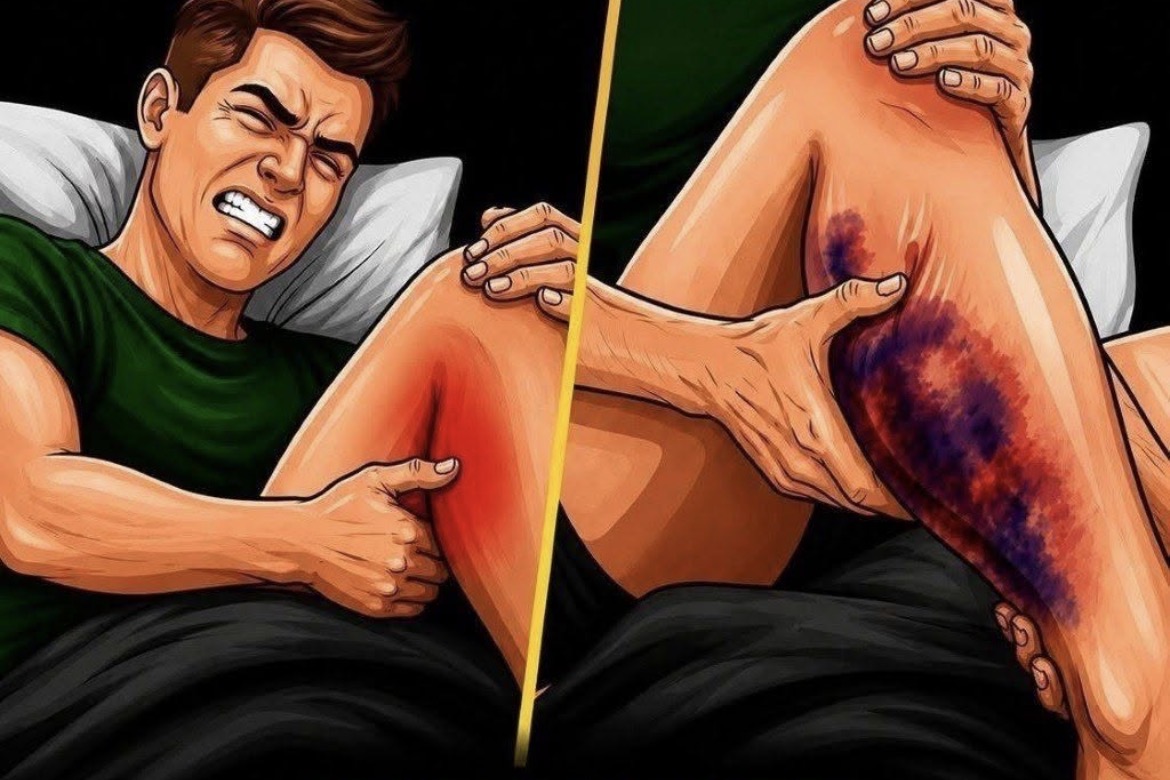
If You Get Leg Cramps at Night, You Need to Know This Immediately
Leg cramps at night can be a disruptive and painful experience, waking many from a sound sleep and causing discomfort that lingers long after the cramp has passed. While some might dismiss them as mere signs of overexertion, dehydration, or simple fatigue, understanding the underlying causes and potential remedies is crucial for those who experience them regularly. In this comprehensive guide, we’ll explore the reasons behind nighttime leg cramps, how to prevent them, and effective treatments to alleviate their impact.
Understanding Nighttime Leg Cramps
Nighttime leg cramps, often referred to as nocturnal leg cramps, can occur for various reasons. These painful contractions typically involve the muscles in the calf but can also affect the thighs and feet. They often strike during sleep, but can also happen while resting or sitting for prolonged periods.
Common Causes of Nighttime Leg Cramps
The causes of nighttime leg cramps can be multifactorial. Here are some of the most common reasons:
- Dehydration: Insufficient fluid intake can lead to electrolyte imbalances, triggering muscle cramps.
- Mineral Deficiencies: Low levels of potassium, calcium, or magnesium can contribute to increased cramping.
- Prolonged Sitting or Inactivity: Staying in one position for extended periods can cause muscle stiffness and subsequent cramps.
- Overexertion: Engaging in rigorous physical activity without proper stretching can lead to muscle fatigue and cramps.
- Circulation Issues: Conditions that affect blood flow, such as peripheral artery disease, can also lead to cramping.
- Pregnancy: Hormonal changes and increased weight during pregnancy can make women more susceptible to leg cramps.
Symptoms of Night Leg Cramps
Recognizing the symptoms can help in determining how to address nighttime leg cramps effectively. Symptoms typically include:
- Sudden Pain: Sharp and intense pain usually in the calf or thigh that occurs suddenly during sleep.
- Duration: The cramps can last from a few seconds to several minutes, often fading gradually.
- Muscle Hardness: The affected muscle may feel tight and hard to the touch.
- Post-Cramps Discomfort: After a cramp, there may be lingering soreness in the muscle.
Prevention Strategies for Nighttime Leg Cramps
Preventing nighttime leg cramps can often be accomplished through lifestyle adjustments. Consider the following strategies:
Stay Hydrated
Ensure you are consuming adequate water daily. Dehydration is one of the primary causes of muscle cramps. Aim for at least 8-10 glasses of water, and more if you are physically active or in a hot environment.
Stretch Your Muscles
Incorporate stretching exercises into your daily routine, particularly before bedtime. Focus on the calf muscles, hamstrings, and quadriceps to improve flexibility and reduce cramping.
Maintain a Balanced Diet
Ensure your diet is rich in essential minerals like potassium, magnesium, and calcium. Foods such as bananas, leafy greens, nuts, and dairy products can help maintain proper electrolyte levels.
Limit Caffeine and Alcohol
Both caffeine and alcohol can contribute to dehydration and may increase the risk of leg cramps. Moderation is key, especially in the hours leading up to bedtime.
Consider Your Sleeping Position
Experiment with different sleeping positions. Some individuals find that keeping their legs straight or using a pillow to elevate their legs can help reduce cramps at night.
Treatment Options for Nighttime Leg Cramps
If nighttime leg cramps do occur, several remedies can help alleviate the pain immediately. Some of these treatment options include:
Stretching and Massaging
If you experience a cramp, gently stretching the affected muscle can provide relief. For calf cramps, try standing up and placing your weight on the affected leg while pulling your toes towards your shin. Massaging the muscle may also ease the pain.
Heat Therapy
Applying a warm compress or heating pad to the affected area can help relax the muscle and alleviate cramping.
Cold Therapy
In some cases, applying ice can reduce pain and inflammation. Be sure to wrap ice in a cloth to prevent direct contact with the skin.
Over-the-Counter Pain Relief
Non-steroidal anti-inflammatory drugs (NSAIDs) such as ibuprofen can help in managing the discomfort associated with severe cramping. Always consult with your doctor before taking any medication.
When to Seek Medical Attention
While occasional nighttime leg cramps are generally not a cause for concern, there are instances when medical evaluation is necessary. Seek help if:
- The cramps are frequent and severely disrupt sleep.
- You experience swelling, redness, or warmth in the leg.
- There are signs of an underlying condition, such as numbness or tingling.
- The cramps are paired with other symptoms like chest pain or shortness of breath.
Conclusion
Leg cramps at night may seem like a minor nuisance, but understanding their causes and implementing prevention strategies can significantly improve your quality of sleep and overall well-being. By staying hydrated, maintaining a balanced diet, and practicing regular stretching, you can reduce the frequency of these painful episodes. Should they occur, using simple treatment methods can help provide immediate relief. Always consult with a healthcare provider if you find your condition is worsening or accompanied by additional symptoms.