
The Ultimate Guide to Deveining Shrimp: Why It Matters and How to Do It
When it comes to preparing shrimp, one crucial step that often gets overlooked is deveining. Many home cooks wonder why deveining shrimp is necessary and how to do it correctly. This comprehensive guide will explain the importance of deveining shrimp, the health benefits associated with it, and provide a simple, step-by-step process to ensure you get it right every time. Whether you’re cooking shrimp for a special occasion or a weeknight dinner, understanding the deveining process will enhance the taste and quality of your seafood dish.
Why Deveining Shrimp Matters
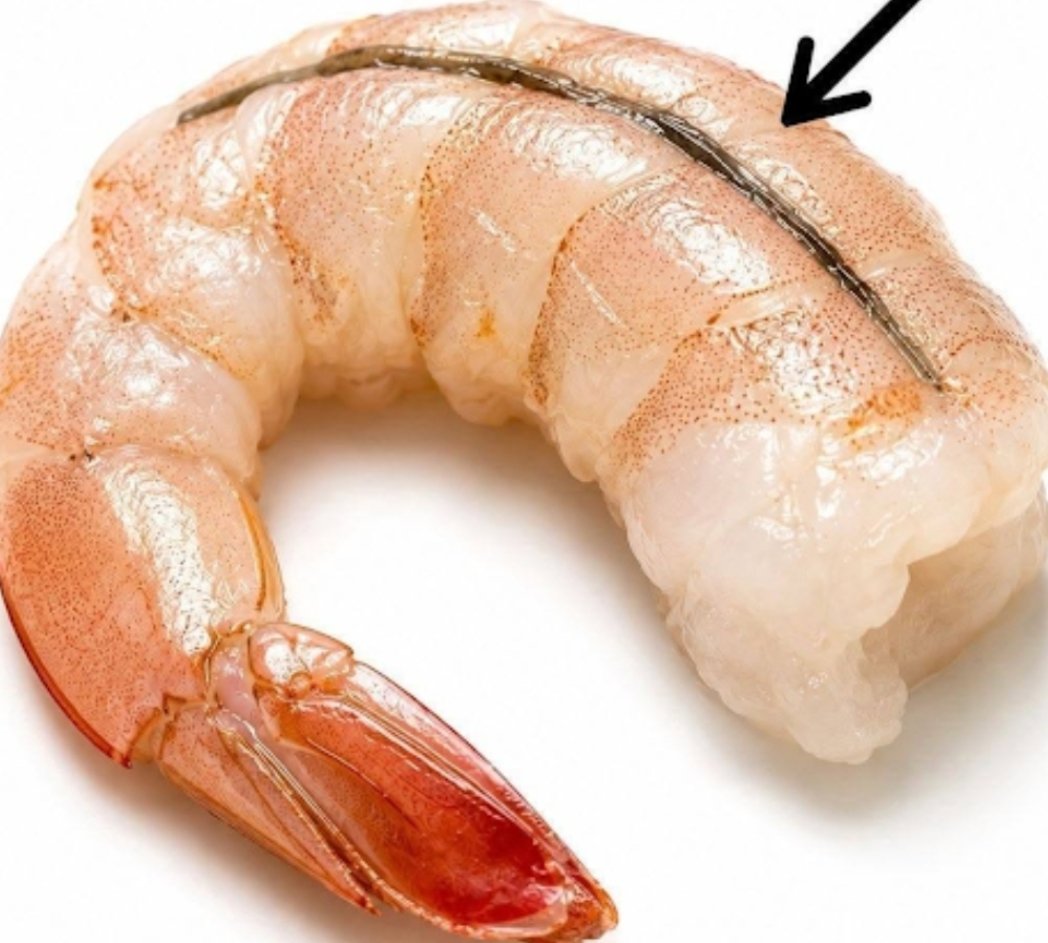
Deveining shrimp is the process of removing the dark, vein-like digestive tract running along the back of the shrimp. While consuming shrimp with the vein still intact is generally safe, there are several reasons why deveining is considered best practice:
1. Improved Presentation
Aesthetically, deveined shrimp look more appealing. The removal of the digestive tract prevents any unsightly dark line from running down the back of the shrimp. For gourmet dishes, where the presentation is key, deveining shrimp can elevate the visual appeal and professionalism of your culinary creation.
2. Enhanced Flavor
While shrimp may not have a strong taste, the digestive tract can introduce a somewhat gritty texture and an unrefined flavor. Removing this vein can lead to a cleaner taste, allowing the natural sweetness of the shrimp to shine through. This is especially beneficial in dishes where shrimp are the star of the show, such as shrimp cocktails, salads, or stir-fries.
3. Health Considerations
The dark vein is the shrimp’s digestive tract, which can contain sand, grit, and other impurities. Although it poses no significant health risk, cleaning the shrimp properly minimizes any chance of consuming these unwanted particles. Maintaining a clean and hygienic cooking environment is essential for food safety and quality.
4. Better Cooking Results
Deveining your shrimp can also result in a more even cooking process. When the digestive tract is left intact, it can cause the shrimp to curl unnaturally as they cook. By removing it, you promote a more uniform shape, allowing for better browning and flavor development.
How to Devein Shrimp: A Step-by-Step Guide
Now that you understand the importance of deveining shrimp, let’s dive into the simple steps to do it effectively. Whether you’re dealing with fresh or frozen shrimp, this guide will provide the techniques you need.
What You’ll Need
– Fresh or thawed shrimp (medium to large size is ideal)
– A sharp knife or a deveining tool
– A cutting board
– Cold water for rinsing
– Paper towels
Step 1: Prepare Your Shrimp
Rinse the shrimp under cold water to remove any surface debris. Pat them dry with paper towels before starting the deveining process. Dry shrimp are easier to handle and allow for a cleaner cut.
Step 2: Remove the Shell (Optional)
If you wish to remove the shell, do so before or after deveining according to your recipe’s requirements. To peel, start by twisting off the head (if applicable), and then gently pull the shell away from the body. You can leave the tail on for presentation, depending on your preference.
Step 3: Locate the Vein
Identify the dark line that runs along the back of the shrimp. This is the vein, also known as the digestive tract. It typically appears as a thin, dark string, which may be more pronounced in some shrimp than others.
Step 4: Make the Cut
Using a sharp knife, make a shallow incision along the back of the shrimp where the vein is located. The cut should be just deep enough to expose the vein but not so deep that you cut into the meat of the shrimp.
Step 5: Remove the Vein
With your fingers or the tip of your knife, gently pull the vein out of the shrimp. It should come away relatively easily. If it breaks, don’t worry; just remove any remaining pieces with your fingers or knife.
Step 6: Clean the Shrimp
After deveining, give the shrimp another rinse under cold water to remove any residual debris or remnants. Pat them dry again with paper towels, and they’re ready to cook!
Step 7: Dispose of the Veins
Properly dispose of the removed veins and any shells, especially if you’re preparing a large batch of shrimp. Keep your kitchen area clean to maintain food safety standards.
Best Practices and Tips for Deveining Shrimp
– Use Proper Tools: A sharp knife is best for precision. Consider investing in a shrimp deveining tool if you regularly prepare seafood.
– Work with Fresh Shrimp: Fresh shrimp is easier to devein and provides the best flavor. If using frozen shrimp, ensure they’re fully thawed and clean them before cooking.
– Practice Healthy Hygiene: Always wash your hands and any surfaces or tools that come in contact with raw shrimp to prevent cross-contamination.
– Consider Marination: After deveining, marinate the shrimp with your favorite spices and flavors for an extra boost of taste before cooking.
Conclusion
Deveining shrimp may seem like a small step in the seafood preparation process, but it plays a significant role in the presentation, flavor, and overall quality of your dishes. By understanding why it matters and learning how to do it correctly, you can take your shrimp-cooking skills to new heights. Next time you’re preparing shrimp, don’t skip this essential step—whether for a casual family dinner or an elaborate feast, deveined shrimp will certainly enhance your culinary creations. Enjoy the deliciousness that comes from well-prepped seafood!