
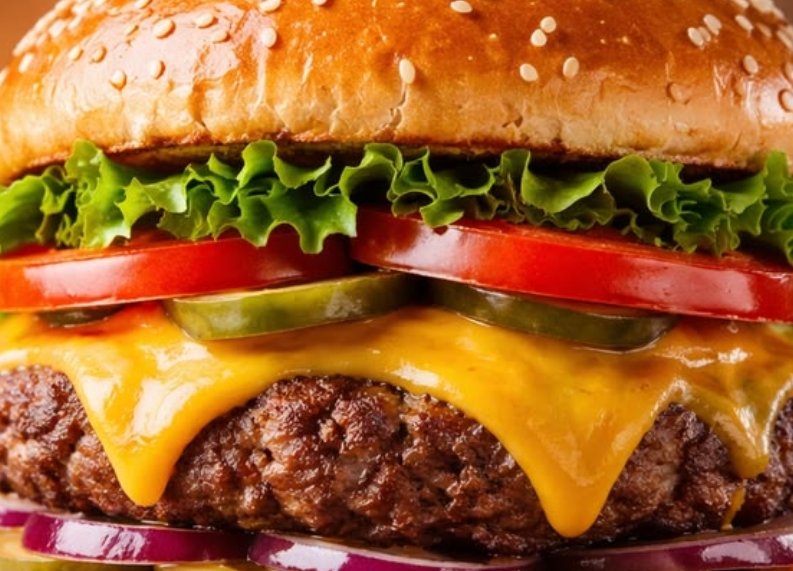
# Classic Cheeseburger
When it comes to iconic American cuisine, the classic cheeseburger stands out as a beloved favorite. Whether grilled at a backyard barbecue, served at a diner, or featured on gourmet restaurant menus, the cheeseburger has captured the hearts and appetites of food lovers everywhere. In this article, we will explore what makes a classic cheeseburger so special, its history, various preparation methods, and tips for creating the perfect burger at home.
## The History of the Cheeseburger
The origins of the cheeseburger can be traced back to the early 20th century. While there are various claims about its invention, most food historians agree that the first cheeseburger was crafted in the United States. One popular story attributes the creation to a teen named Lionel Sternberger, who experimented by adding a slice of cheese to a hamburger at his father’s sandwich shop in Pasadena, California, around 1924.
As the years progressed, the cheeseburger gained substantial popularity, becoming a staple in American fast food. Its simplicity and versatility allowed for countless variations, and it quickly became a favorite menu item at establishments across the nation. Today, the cheeseburger is more than just a meal; it is a symbol of American culture.
## Essential Components of a Classic Cheeseburger
To create the perfect classic cheeseburger, it is essential to focus on quality ingredients. Here are the fundamental components:
### 1. The Patty
The foundation of any cheeseburger is its beef patty. For a traditional cheeseburger, lean ground beef with a fat content of around 80/20 is recommended. This combination ensures that the patty remains juicy while still providing enough structure. When shaping the patties, it’s essential not to overwork the meat; simply form the burger and create a small indentation in the center to prevent it from puffing up during cooking.
### 2. The Cheese
While “cheeseburger” implies the use of cheese, not just any cheese will do. The classic choice is American cheese, known for its meltability and mild flavor. Other popular options include cheddar, Swiss, and pepper jack. Ultimately, the type of cheese used is subjective, but the goal should be a creamy texture that enhances the burger without overshadowing the beef.
### 3. The Bun
The bun is equally important to the success of a cheeseburger. Brioche buns have become popular for their softness and slight sweetness, complementing the savory flavors of the burger. A good burger bun should be sturdy enough to hold the ingredients without falling apart, while also being soft for an enjoyable bite.
### 4. The Toppings
The beauty of a classic cheeseburger is its versatility in toppings. While the most traditional toppings include lettuce, tomato, pickles, and onions, there are endless possibilities. For a classic look, go with crisp iceberg lettuce, a fresh slice of tomato, and dill pickles. Additional toppings like sautéed mushrooms, bacon, or avocado can elevate the burger to new heights, allowing you to tailor your cheeseburger to your preferences.
### 5. The Condiments
Condiments can make or break your cheeseburger experience. Ketchup and mustard are the quintessential choices for most, but mayonnaise, barbecue sauce, or specialty sauces such as spicy aioli can add depth and flavor. The key is to find a balance that enhances but does not overwhelm the burger’s natural flavors.
## Cooking Methods for a Classic Cheeseburger
There are several methods to cook a classic cheeseburger, each offering a unique taste and texture.
### 1. Grilling
Grilling is one of the most popular methods for cooking burgers, imparting a smoky flavor that many people love. Preheat the grill to medium-high heat and place the patties directly on the grates. Cook for about 3-4 minutes per side for medium doneness, adding cheese during the last minute to allow it to melt.
### 2. Pan-Seared
For those without a grill, a cast-iron skillet is an excellent alternative. Heat the skillet over medium-high heat, add a touch of oil, and sear the patties for about 4-5 minutes on each side. Like grilling, add the cheese in the final minute to achieve the right melt.
### 3. Broiling
Broiling is another effective method, especially in cooler months. Preheat the broiler and place the patties on a broiler pan. Broil for about 3-4 minutes per side, finishing with the cheese until melted. This method gives the burger a nice crust while keeping the center juicy.
## Tips for the Perfect Classic Cheeseburger
Creating the perfect cheeseburger takes practice, but with a few expert tips, you’ll be well on your way.
### 1. Let the Beef Come to Room Temperature
Before cooking, allow the ground beef to sit at room temperature for about 30 minutes. This helps the meat cook evenly and results in a more tender burger.
### 2. Season Generously
Don’t skip the seasoning! Season the patties with salt and pepper just before cooking for maximum flavor. Consider using garlic powder, onion powder, or smoked paprika for an extra kick!
### 3. Use a Meat Thermometer
To achieve your desired level of doneness, use a meat thermometer. The USDA recommends cooking ground beef to an internal temperature of 160 degrees Fahrenheit for safety.
### 4. Toast the Buns
Lightly toasting the buns on the grill or in a skillet adds a layer of texture and helps prevent sogginess from condiments.
## Conclusion
The classic cheeseburger is a timeless dish that continues to entertain palates around the globe. With its simple yet satisfying components, the cheeseburger can easily fit into casual BBQs or upscale dining experiences. By focusing on quality ingredients, using proper cooking techniques, and being creative with toppings and condiments, anyone can master the art of crafting the ultimate classic cheeseburger. So fire up the grill or heat the skillet, and indulge in the rich flavors of this American icon—your taste buds will thank you!