
Honestly, Does Anyone Here Actually Eat Brussels Sprouts?
Brussels sprouts are often seen as a divisive vegetable. While some people rave about their unique taste and numerous health benefits, others tend to steer clear of them, often due to childhood memories of overcooked, bitter greens. In this article, we’re diving deep into the world of Brussels sprouts to understand their culinary value, health benefits, and how to prepare them in a way that even those who usually avoid this vegetable may enjoy.
What Are Brussels Sprouts?
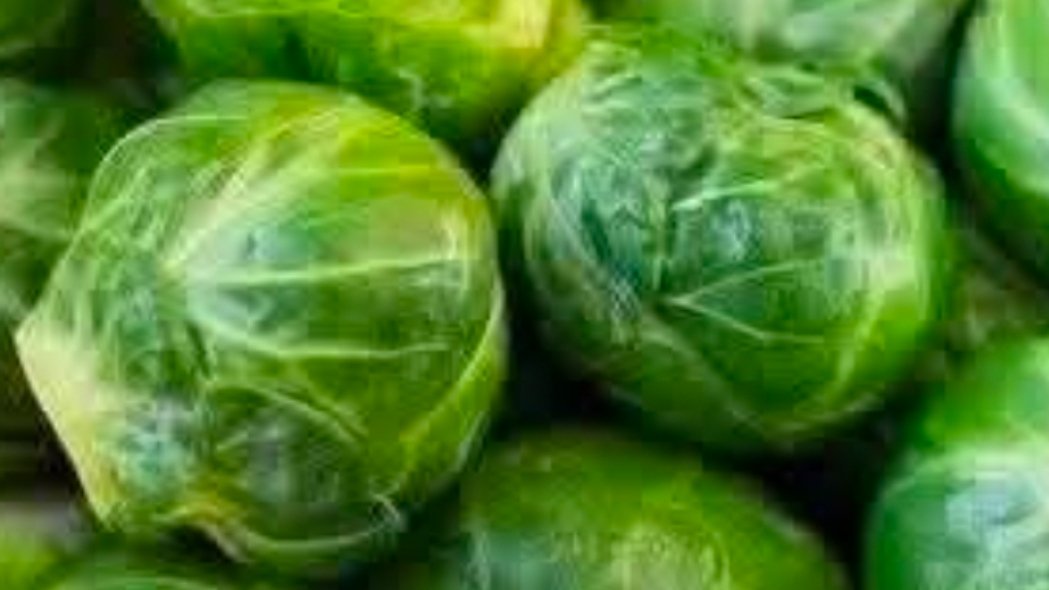
Brussels sprouts belong to the Brassica family, which also includes cabbage, kale, and broccoli. They originated in the Mediterranean region and were cultivated in Belgium, which is reflected in their name. These small, green buds grow on stalks and can often be found fresh during the fall and winter months.
Nutritional Benefits of Brussels Sprouts
One of the best reasons to incorporate Brussels sprouts into your diet is their impressive nutritional profile. They are an excellent source of:
– Vitamins: Brussels sprouts are high in vitamin K, which is essential for bone health and proper blood clotting. They are also rich in vitamin C, which supports the immune system and skin health.
– Fiber: These vegetables are packed with dietary fiber that promotes digestion and helps maintain a healthy weight by keeping you feeling fuller for longer.
– Antioxidants: Brussels sprouts contain several antioxidants that counteract oxidative stress in the body, potentially reducing the risk of chronic diseases.
Incorporating Brussels sprouts into your diet not only supports your overall health but also contributes to weight management due to their low calorie and high fiber content.
Culinary Uses of Brussels Sprouts
Brussels sprouts can be prepared in various delicious ways, making them a versatile addition to many dishes. Below are some popular methods to cook and enjoy Brussels sprouts:
Roasted Brussels Sprouts
Roasting Brussels sprouts is one of the most popular cooking methods which brings out their natural sweetness. Simply toss halved Brussels sprouts with olive oil, salt, and pepper before roasting them in the oven at 400 degrees Fahrenheit for about 25-30 minutes, stirring halfway through. The result is a crispy exterior and a tender inside that many find irresistible.
Sautéed Brussels Sprouts
Sautéing Brussels sprouts with garlic and a drizzle of balsamic vinegar creates a flavorful side dish. Start by heating olive oil in a skillet, add sliced Brussels sprouts, and cook until they turn golden brown. Adding some minced garlic and vinegar towards the end enhances the taste, leaving you with a quick and superbly delicious dish.
Brussels Sprouts in Salads
Adding raw Brussels sprouts to salads is a great way to enjoy their crunch. Thinly slice or shred them, and toss them with your favorite dressing and ingredients. They match well with apples, nuts, cheese, or even grains like quinoa. This method retains their nutrients while adding a delightful crunch to your meal.
How to Select and Store Brussels Sprouts
When buying Brussels sprouts, look for ones that are firm, vibrant green, and tightly closed. Avoid yellowing leaves or any that appear soft, as these can indicate age or spoilage.
For storage, keep Brussels sprouts in a plastic bag in the refrigerator’s vegetable crisper. They can last up to a week if stored correctly, allowing you to enjoy them throughout the week in various dishes.
Popular Misconceptions About Brussels Sprouts
Despite their delicious potential and health benefits, Brussels sprouts have earned a bad reputation. Here are a couple of misconceptions surrounding this vegetable:
Overcooked Sprouts
Many grew up tasting poorly cooked Brussels sprouts – think mushy and bitter. This experience often leads to a general disdain for the vegetable. The key here is cooking them correctly, not overcooking! With methods like roasting or sautéing, you can avoid the rubbery texture and bring out a delicious taste.
They Are an Acquired Taste
While it’s true that Brussels sprouts have a strong flavor profile, especially when raw, they can be appealing to many when prepared well. Proper seasoning and cooking methods can turn this veggie into a delight rather than a chore.
Incorporating Brussels Sprouts Into Your Diet
The question remains, “Does anyone actually eat Brussels sprouts?” The answer is a resounding yes! With so many delicious ways to enjoy them, Brussels sprouts can be a staple in any healthy diet. Here are some ideas for adding them to your meals:
1. Breakfast: Add sautéed Brussels sprouts to your omelet for a nutritious twist.
2. Lunch: Toss them in salads or grain bowls for an extra crunch and flavor.
3. Dinner: Serve them roasted as a perfect side to accompany roasted meats or hearty grain dishes.
4. Snacks: Try Brussels sprout chips! Thinly slice and bake them with a sprinkle of salt for a healthy snack.
Conclusion
In conclusion, Brussels sprouts can indeed be a favorite for many when prepared correctly. Their nutritional value, versatility in cooking, and ability to complement various flavors make them a great addition to any meal. Overcoming the stereotype of Brussels sprouts being disliked is all about preparation and experimentation. So, to those wondering if anyone eats Brussels sprouts: they certainly do, and the culinary world is filled with innovative ways to enjoy them!
If you haven’t tried Brussels sprouts in a while, give them another chance. You might be pleasantly surprised by what you discover! Embrace this superfood, and enjoy the health benefits alongside a delicious culinary journey.