
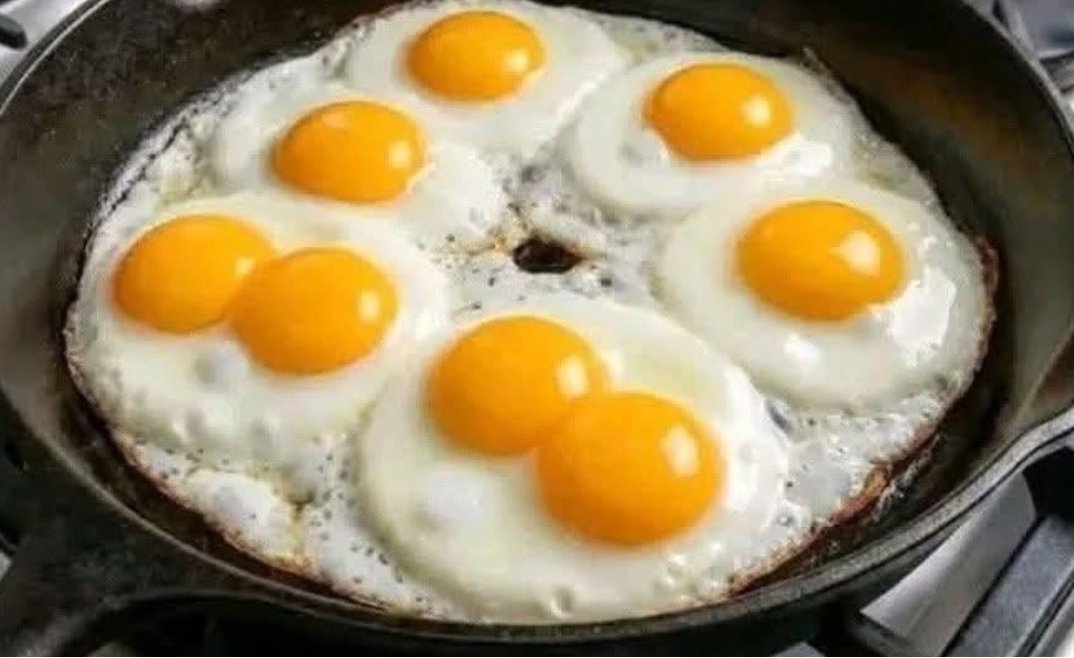
# How Many Eggs Are in This Pan?
When it comes to cooking, whether you’re preparing breakfast, brunch, or even a delicious dinner, eggs often take center stage. They are not only versatile but also a fantastic source of protein and essential nutrients. You may find yourself asking, “How many eggs are in this pan?” while deciding how to cook them or when planning meals for a group. This article explores how to determine the number of eggs necessary for different recipes, tips for egg preparation, and various cooking techniques that elevate your egg dishes.
## Understanding Egg Sizes
Before determining how many eggs you need, it’s essential to understand the sizes of eggs. Eggs come in various sizes, which can influence how many to use in your recipes. The most common sizes include:
– **Large**: The standard size for most recipes, weighing approximately 50 grams per egg.
– **Medium**: Slightly smaller, typically weighing around 43 grams per egg.
– **Small**: Weighing about 38 grams per egg, these are less commonly used in recipes.
– **Jumbo**: Weighing over 63 grams, these eggs are often used in baking.
Most recipes are based on large eggs, so it’s crucial to be aware of the size you are using to calculate the required quantity accurately.
## Determining the Number of Eggs for Different Dishes
The number of eggs needed will vary significantly based on what you are planning to cook. Here are some common egg-based dishes and a guideline for how many eggs are typically required.
### Scrambled Eggs
For scrambled eggs, a good rule of thumb is to use **2 to 3 eggs per person**. If you’re serving a family, here’s a quick calculation:
– **For 4 people**: Use 8 to 12 eggs.
– **For 6 people**: Use 12 to 18 eggs.
Scrambled eggs are an excellent option for large gatherings, and they can easily be spiced up with cheese, herbs, or vegetables.
### Omelets
When cooking an omelet, you generally need **2 to 3 eggs per omelet**. Depending on what else you add to your omelet (like cheese, meats, or vegetables), you should consider:
– **2 eggs for a standard fold-over omelet**.
– **3 eggs for a larger, stuffed omelet**.
For a breakfast for four, make about **4 to 6 eggs** to accommodate two omelets, allowing for some extras to ensure everyone is satisfied.
### Egg Salad
For any egg salad recipe, the typical recommendation is roughly **6 to 8 eggs** for a family-style serving. This will easily yield about:
– ***4 servings***: A mixture of chopped eggs, mayonnaise, mustard, and seasonings creates a creamy dish perfect for sandwiches or as a salad topping.
### Baking
When baking, the egg count can vary tremendously. Here are some guidelines for popular baked goods:
– **Cakes**: Most cake recipes call for **2 to 4 eggs**, depending on the cake size and recipe. A standard round cake usually requires **3 eggs**.
– **Cookies**: Typically, cookie recipes will use **1 to 2 eggs**.
– **Quiches**: Quiches can use **3 to 6 eggs**, depending on the size of the quiche and the other ingredients included.
Baking can often be forgiving, allowing for substitutions if you find yourself short on eggs, such as using applesauce or yogurt as alternatives.
## Cooking Techniques to Elevate Egg Dishes
Knowing how many eggs to use is just the beginning; understanding cooking techniques can help you enhance the overall flavor and texture of your egg dishes.
### Boiling
Eggs can be boiled for different textures:
– **Soft-boiled**: Eggs cooked for about 4 to 6 minutes yield a creamy yolk.
– **Hard-boiled**: Cooking for 9 to 12 minutes gives you a firm yolk, perfect for salads or snacking.
### Poaching
Poached eggs are a healthy cooking method that involves simmering eggs in water. They require special care to ensure the whites remain intact. Typically, 1 egg per serving is perfect for breakfast on toast or as a topping for salads.
### Baking
Baked eggs, or “shakshuka,” is immensely popular and involves cooking eggs in a flavorful sauce, such as tomatoes or seasoned veggies. Depending on the size of your dish, you might use **4 to 8 eggs** to serve a crowd.
### Scrambling
When scrambling, you can consider **adding cream or milk** to each egg for a fluffier texture. Cooking them over low heat also ensures even cooking without the risk of chatter.
## Conclusion
Understanding how many eggs to include in your pan can significantly enhance your cooking experience. Whether you are making scrambled eggs, omelets, or baking cakes, having the right count is essential. Additionally, employing a variety of cooking techniques can elevate your dishes and make the most out of this versatile ingredient.
So the next time you find yourself pondering the question “how many eggs are in this pan?” refer back to the above guidelines. With the correct number, combined with your culinary creativity, you will have delicious meals that satisfy and impress your family and friends. Happy cooking!