
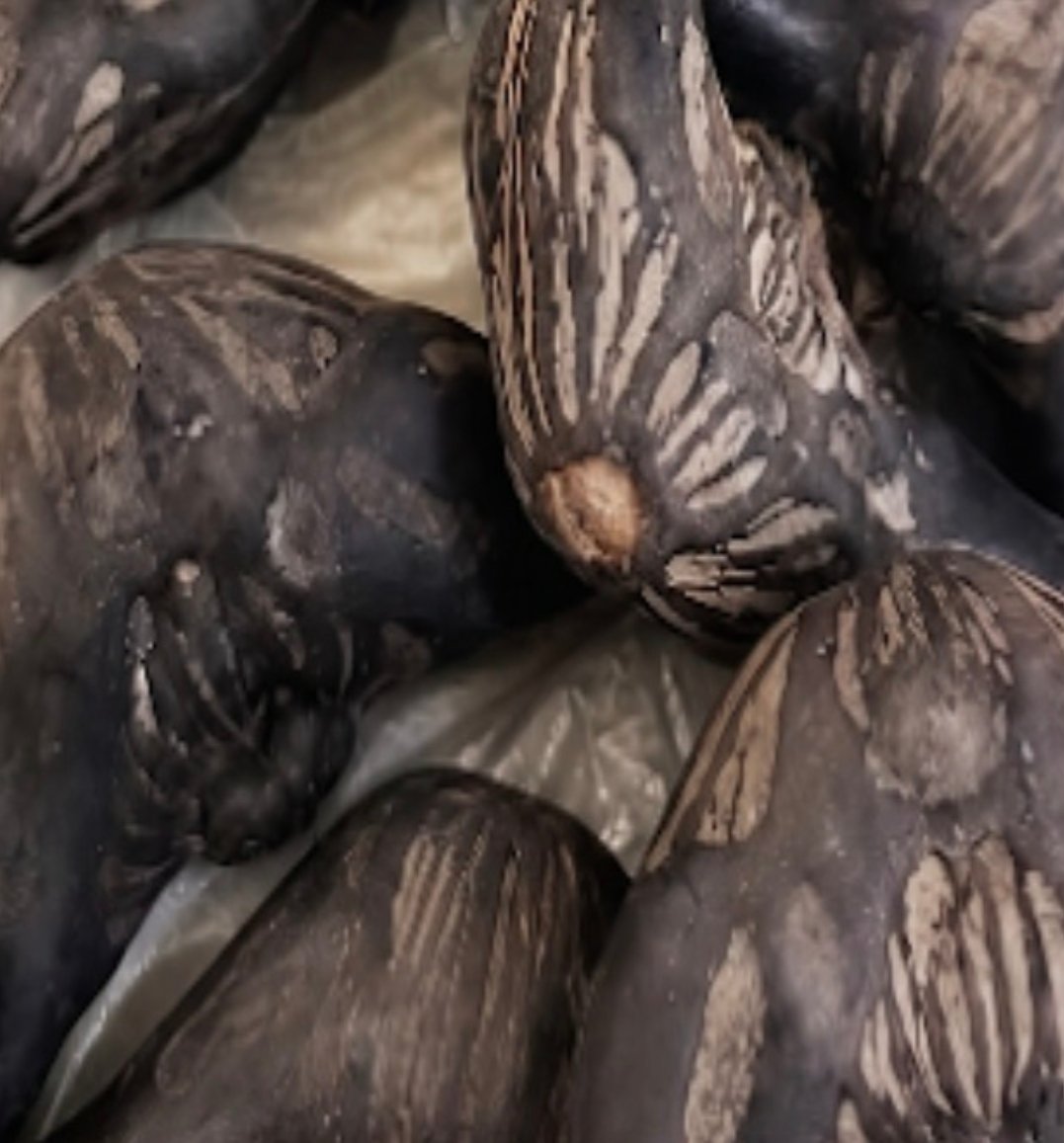
Mysterious Horned Fruits: A Guide to Water Caltrops
Water caltrops, often referred to as “horned fruits,” are unique aquatic plants known for their intriguing shape and nutritious qualities. This comprehensive guide explores their characteristics, nutritional benefits, culinary uses, and cultivation methods, providing both enthusiasts and curious readers with valuable information on this fascinating food source.
What Are Water Caltrops?
Water caltrops are seeds of a floating plant species scientifically known as *Trapa natans.* They thrive in freshwater bodies and are characterized by their distinct horn-like projections that resemble the head of a bull or a chestnut. Commonly found in Asian and parts of Europe, these water caltrops have gained recognition not only for their unusual appearance but also for their versatile nature in culinary applications.
Nutritional Benefits of Water Caltrops
Water caltrops are nutrient-dense and offer a variety of health benefits. They are excellent sources of essential vitamins and minerals, making them a valuable addition to a balanced diet. Here are some key nutritional aspects:
High in Antioxidants
These horned fruits are rich in antioxidants, which help combat oxidative stress in the body. Including antioxidants in your diet can reduce the risk of chronic diseases and enhance overall well-being.
Source of Dietary Fiber
Water caltrops are high in dietary fiber, which supports digestive health. Including fiber-rich foods in your diet can aid in digestion, promote a feeling of fullness, and help regulate blood sugar levels.
Low in Calories
One of the appealing features of water caltrops is that they are low in calories, making them an excellent choice for those looking to maintain or lose weight. They can be consumed in various dishes without adding excessive calories.
Essential Minerals
Water caltrops also provide essential minerals such as potassium, calcium, and magnesium. These minerals play crucial roles in maintaining overall health, supporting muscle function, and regulating blood pressure.
Culinary Uses of Water Caltrops
The versatility of water caltrops means they can be incorporated into various dishes. Here are some popular ways to enjoy these horned fruits:
Raw Snacking
Water caltrops can be consumed raw as a healthy snack. Their crunchy texture and mild flavor make them a delightful addition to salads or a stand-alone treat, similar to eating raw chestnuts.
Cooking and Baking
In many Asian cuisines, water caltrops are often boiled or steamed and served in soups or stir-fried with vegetables. They can also be roasted or mashed to create unique side dishes, lending their distinctive taste to various recipes.
Desserts
Interestingly, water caltrops are also used in desserts, especially in regions where they are popular. They can be ground into flour for making sweet treats or added to puddings for an interesting texture and flavor.
How to Cultivate Water Caltrops
Growing water caltrops can be a rewarding endeavor, especially for garden enthusiasts looking to expand their repertoire. Here’s a step-by-step guide on how to cultivate these unique fruits:
Choosing the Right Location
Water caltrops thrive in warm, shallow waters with plenty of sunlight. Choose a pond, lake, or water garden that receives ample sunlight throughout the day for optimal growth.
Preparing the Water Body
Ensure that the water body is free from strong currents and excessive competition from other plants. Clear away any debris or invasive species that could hinder the growth of water caltrops.
Planting the Seeds
The seeds can be sown directly in the water. It’s best to plant them in late spring or early summer when water temperatures are warm. Ensure that the seeds are placed in a substrate that allows for easy rooting and growth.
Maintenance and Care
Maintain water clarity by reducing pollutants and ensuring that the water remains nutrient-rich. Regularly check for signs of pests or diseases that could jeopardize the growth of the plants.
Harvesting
Water caltrops mature in around 3 to 4 months, and harvesting typically occurs in late summer or early fall. Use a net or scoop to gather the fruits, ensuring minimal damage to the plants to encourage continued growth.
Conclusion
Water caltrops, with their mysterious appearance and nutritional benefits, offer a unique experience both as a food source and an addition to your home garden. Whether you’re snacking on them raw, experimenting with them in recipes, or simply interested in cultivating them, these horned fruits are a splendid way to incorporate a little adventure into your diet. As we move towards more diverse diets that celebrate unique and nutritious food sources, water caltrops stand out as a fascinating and valuable option. Embrace the uniqueness of water caltrops and enjoy the health benefits they offer!