
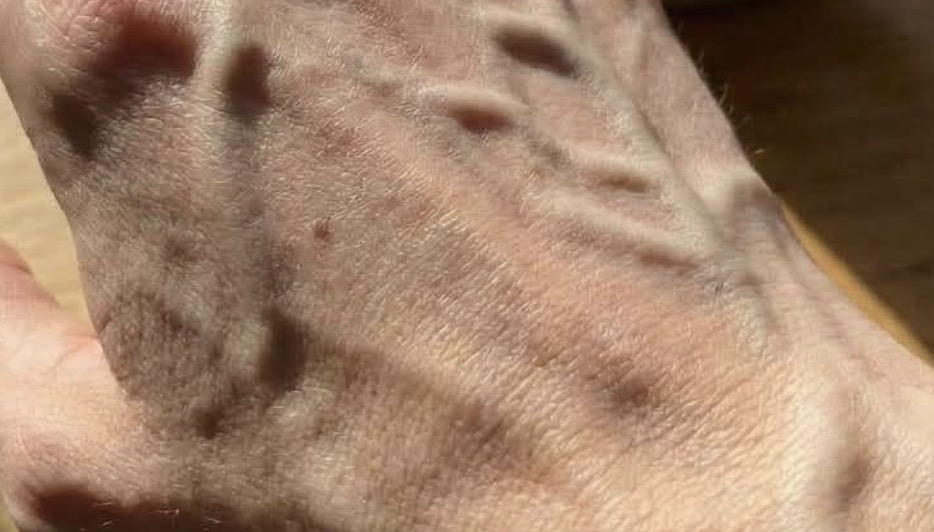
Understanding Visible Veins: What They Indicate About Your Health
Have you ever glanced at your arms or legs and noticed the distinct outline of your veins? While it may seem concerning, visible veins are often a natural part of the body’s structure. However, variations in vein prominence can tell you a lot about your overall health. From hydration levels to aging and lifestyle factors, understanding what your veins indicate can be crucial for maintaining your well-being. In this article, we will explore the reasons behind visible veins, related health conditions, and preventive measures to ensure your vascular system remains healthy.
The Anatomy of Veins and Their Visibility
Veins are crucial components of the circulatory system, responsible for returning deoxygenated blood to the heart. Being visible or not can depend on several factors, including skin thickness, body fat percentage, and blood flow. Let’s delve deeper into why some people have prominent veins.
Factors Influencing Vein Visibility
- Genetics: Family history plays a significant role in how visible your veins are. Some individuals have genetically thinner skin or vascular structures that make their veins more prominent.
- Skin Type: Lighter skin tones may show veins more than darker skin tones, creating an illusion of prominence.
- Body Fat Percentage: Individuals with lower body fat often have more visible veins because there is less fat to obscure them.
- Hydration Levels: Dehydration can cause your blood volume to decrease, which may lead to more prominent veins.
- Age: As we age, our skin loses elasticity and becomes thinner, making veins appear more defined.
Common Causes of Visible Veins
While the visibility of veins can be completely normal in many cases, certain conditions may contribute to their prominence. Here are some common reasons:
1. Dehydration
Dehydration can significantly affect vein visibility. When the body is low on water, the blood can become more concentrated, which may cause veins to bulge out more prominently. Ensuring adequate hydration can help combat this effect.
2. Physical Activity
Engaging in physical activities, especially weight training or cardiovascular exercises, can lead to temporary visibility of veins. During exertion, blood flow increases, causing veins to expand and become more apparent. This condition is often referred to as vascularity.
3. Hormonal Changes
Hormonal fluctuations, particularly in women during their menstrual cycle or pregnancy, can lead to changes in blood volume and circulation, affecting how visible veins appear.
4. Aging
As you age, collagen and elastin in your skin decrease, causing it to become thinner and less elastic. This natural aging process can make veins appear more pronounced, particularly in the hands and legs.
5. Varicose Veins
Visible veins can sometimes indicate the presence of varicose veins, which occur when veins become enlarged and twisted. Factors such as prolonged standing, obesity, and genetic predisposition can contribute to this condition. Varicose veins are usually painless but may lead to other complications if left untreated.
Symptoms Associated with Visible Veins
In some cases, visible veins can be accompanied by additional symptoms. Recognizing these can help you determine whether you need to seek medical advice. Common symptoms include:
- Leg Swelling: Persistent swelling in the legs could be a sign of venous insufficiency.
- Fatigue: A sense of heaviness in your legs, especially after prolonged sitting or standing.
- Tingling or Numbness: Some individuals experience tingling sensations, particularly in the lower extremities.
- Discoloration: Changes in skin color near the veins, indicating poor circulation.
When to Seek Medical Attention
While visible veins are often benign, you should consult a healthcare provider if you experience any of the following:
- You notice sudden changes in vein visibility.
- Severe pain or discomfort in the affected area.
- Persistent swelling that doesn’t improve with elevation.
- Signs of ulcers or skin changes around the veins.
Preventive Measures for Healthy Veins
Maintaining healthy veins is essential for overall vascular health. Here are several steps you can take to support your circulatory system:
1. Stay Hydrated
Drinking ample water daily helps maintain adequate blood volume and circulation, minimizing the visibility of veins.
2. Regular Exercise
Incorporating both aerobic and strength-training exercises helps promote better blood circulation and can prevent conditions like varicose veins.
3. Healthy Diet
Consuming a well-balanced diet rich in antioxidants, vitamins, and minerals, particularly those that support vascular health (like vitamin C, E, and omega-3 fatty acids), can strengthen the vein walls.
4. Compression Stockings
If you’re prone to visible veins or varicose veins, wearing compression stockings can improve circulation and reduce swelling in your legs.
5. Avoid Prolonged Sitting or Standing
Taking regular breaks to move around is vital, especially for those with sedentary jobs. Elevating your legs when resting can help improve blood flow as well.
Conclusion
Visible veins can signify numerous factors relating to your health and lifestyle choices. Understanding the causes and conditions associated with prominent veins can help you make informed decisions about your health. If you notice changes or have concerns regarding your veins, don’t hesitate to reach out to a healthcare provider for advice, ensuring a proactive approach to your vascular health. By implementing preventive measures, you can maintain healthy veins and enhance your overall well-being.