
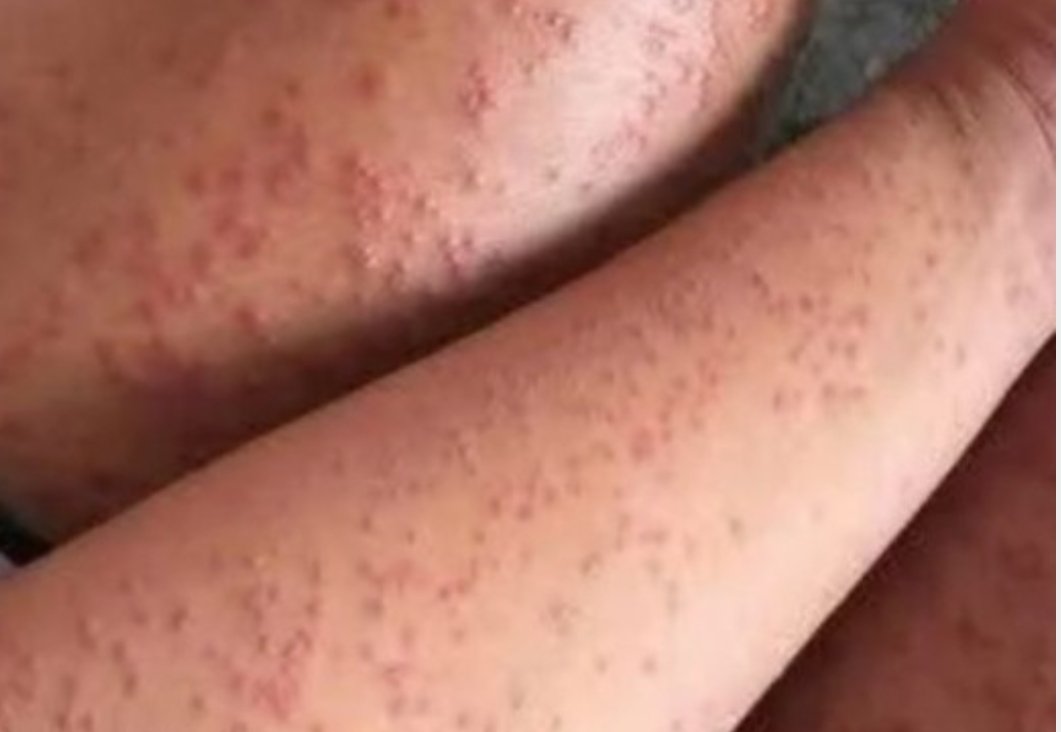
# Skin Rash With Breathing Trouble? It Could Be a Life-Threatening Allergic Reaction
Allergic reactions can manifest in various ways, and when they do, understanding their seriousness can be a matter of life and death. One alarming presentation of an allergic reaction involves experiencing a skin rash paired with breathing difficulties. If you or someone you know encounters this combination of symptoms, it is crucial to act quickly and seek medical attention. This article explores the causes, symptoms, and treatment options for such allergic reactions, providing you with vital knowledge to manage emergencies effectively.
## Understanding Allergic Reactions
An allergic reaction occurs when the immune system overreacts to a substance (allergen) that is generally harmless to most individuals. These allergens can come from various sources such as food, pollen, insect stings, medications, and more. Common symptoms of allergic reactions can range from mild to severe and include skin rashes, swelling, itching, and respiratory issues.
### Common Allergens that Trigger Reactions
1. **Food Allergens**: Common culprits include peanuts, tree nuts, shellfish, fish, eggs, wheat, soy, and dairy products.
2. **Environmental Allergens**: Pollen, mold spores, pet dander, and dust mites can provoke allergic responses, particularly in individuals with asthma or hay fever.
3. **Medications**: Some people may have allergic reactions to antibiotics, non-steroidal anti-inflammatory drugs (NSAIDs), or other medications.
4. **Insect Stings**: Bee, wasp, or hornet stings are common triggers for severe allergic reactions in sensitive individuals.
## Symptoms of Allergic Reactions
Recognizing the symptoms of an allergic reaction is essential for prompt treatment. Some common symptoms include:
– Hives or skin rash
– Itching or swelling of the skin
– Difficulty breathing or wheezing
– Swelling of the face, lips, or throat
– Gastrointestinal symptoms such as nausea, vomiting, or diarrhea
– Anaphylaxis, which is a severe, life-threatening allergic reaction
### When Skin Rash Meets Breathing Trouble
The alarming combination of a skin rash accompanied by breathing difficulties can indicate anaphylaxis, a severe allergic reaction that requires immediate medical intervention. Anaphylaxis can occur within minutes of exposure to allergens, making it vital for individuals and their loved ones to recognize the signs early.
## The Dangers of Anaphylaxis
Anaphylaxis is characterized by a rapid onset of symptoms, including:
– Severe shortness of breath
– Rapid or weak pulse
– Dizziness or fainting
– A feeling of impending doom
– Skin rash, hives, or swelling
Without timely treatment, anaphylaxis can lead to shock, respiratory failure, and even death. Individuals with known allergies should always carry an epinephrine auto-injector (such as an EpiPen) to counteract severe reactions. If you notice a person exhibiting these symptoms, it is critical to use the auto-injector and call emergency services immediately.
## Treatment Options for Allergic Reactions
Upon identifying a skin rash with accompanying breathing difficulties, quick action can save lives. Here are crucial steps that can be taken:
### 1. Call Emergency Services
Do not hesitate to call 911 or your local emergency number if you witness someone experience these symptoms. Acting quickly could make a significant difference in the outcome.
### 2. Administer Epinephrine
If the person has an epinephrine auto-injector, use it as prescribed. It is designed to swiftly reverse the symptoms of anaphylaxis, including improving breathing and reducing swelling.
### 3. Positioning
Keep the affected individual in a comfortable position. If they are experiencing difficulty breathing, they may find it easier to sit up rather than lie down. However, if they are faint or experiencing shock, lay them flat and elevate their legs.
### 4. Monitor Symptoms
Stay with the person until medical assistance arrives. Monitor their breathing and pulse, and be prepared to perform CPR if necessary.
### 5. Follow-Up Care
Even after administering epinephrine, it is vital to seek medical attention. Symptoms may return after a short period, requiring further treatment.
## Preventing Allergic Reactions
Prevention is a key element in managing allergies. Here are some tips to help avoid potential triggers:
### 1. Identify Triggers
Work with an allergist to identify specific allergens and avoid exposure. This can be achieved through skin tests or blood testing.
### 2. Read Labels
Always read food labels to identify potential allergens. This is especially important for people with food allergies.
### 3. Wear Medical Identification
Consider wearing a medical alert bracelet or necklace that indicates your allergies. This information can be life-saving in emergencies if you are unable to communicate.
### 4. Educate Those Around You
Inform friends, family, and coworkers about your allergies. Providing them with knowledge about how to respond in an emergency is crucial.
### 5. Maintain an Emergency Plan
Develop an allergy action plan that outlines steps to take in case of an allergic reaction. Share this plan with family and caregivers.
## Conclusion
A skin rash coupled with breathing difficulties could signal a life-threatening allergic reaction. Understanding the signs of anaphylaxis and knowing how to respond can be the difference between life and death. By recognizing triggers, having an emergency plan, and being prepared to act swiftly, you can safeguard yourself and those around you from potential allergic emergencies. Remember that while allergic reactions can be serious, being informed and prepared can lead to effective management and preventive measures. Always prioritize safety and encourage others to do the same.