
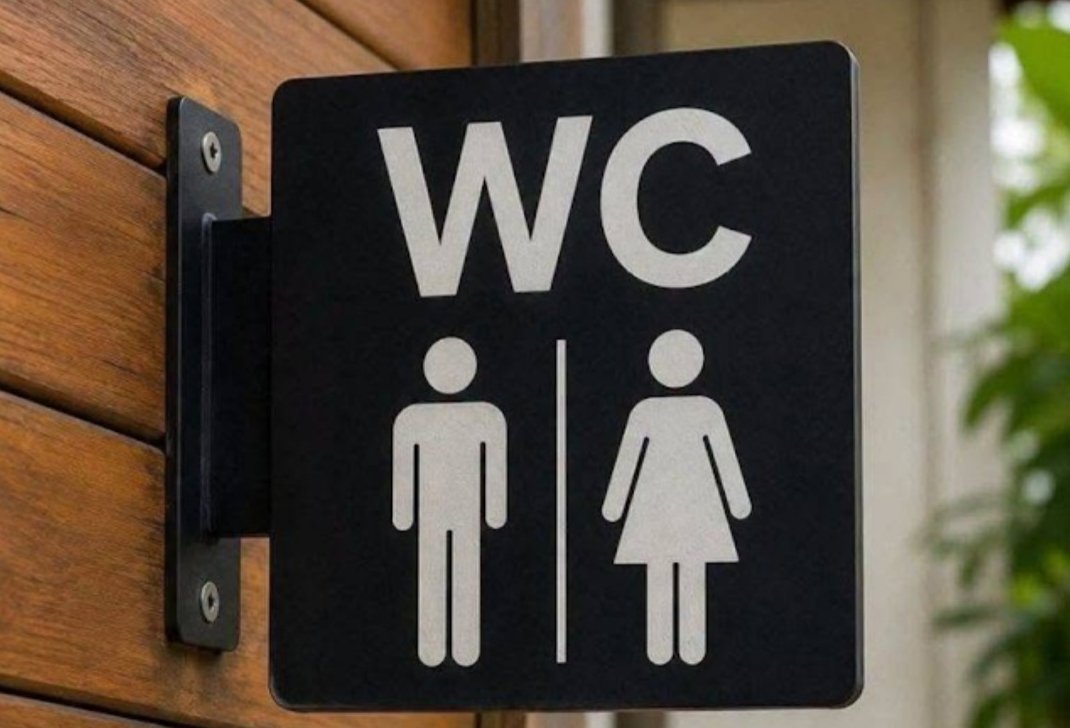
# What Does “WC” Actually Mean on Restroom Signs
Restroom signs are ubiquitous in public spaces, but have you ever paused to consider the meaning behind the symbols and letters used? One of the most common abbreviations found on restroom signs is “WC.” This article aims to provide clarity on what “WC” means, its origins, significance, and how it varies across different cultures and regions.
## Understanding “WC”: The Basics
The abbreviation “WC” stands for “Water Closet.” This term is primarily used in many English-speaking countries as a synonym for a bathroom, lavatory, or toilet. The phrase “water closet” originated in the 19th century during the time when indoor plumbing became common. It refers to a small room or compartment that contains a toilet and, often, a sink as well.
### Historical Context
The concept of the water closet dates back to ancient civilizations, but the actual term gained popularity in Europe during the Victorian era. The development of the modern flush toilet significantly contributed to the introduction of water closets in households, public buildings, and even in some outdoor locations. The Victorian era’s focus on hygiene and sanitation led to a greater acceptance of indoor plumbing, paving the way for the widespread use of “WC” signs.
### Global Variations of the Term
While “WC” is widely recognized, different countries use various terminologies on restroom signs. For instance, in the United States, it’s more common to see “Men” and “Women” signs, while in some countries, signs indicating “Gents” and “Ladies” are prevalent. In many European countries, you might also find “Toilet” written on restroom signs.
– **Europe:** In countries like France and Germany, the use of “WC” is quite common, embodying the original meaning well.
– **Asia:** You’ll typically find “Toilet” or “Restroom” signs, often without the use of “WC.” Countries like Japan may include symbols and English representations for clear communication.
### Why “WC” Is Preferred
The term “WC” is favored in many public establishments, such as restaurants, shopping malls, and airports, because it is universally understood. Its brevity is an advantage, as it accommodates limited space on signs. Additionally, using “WC” can offer anonymity and formality, which is often desired in public restroom contexts.
## The Design of Restroom Signs
Restroom signs are not only informative but also serve a decorative purpose in many locations. The design and symbols used can vary widely depending on cultural norms and artistic choices. Common symbols might include stylized figures or simple representations indicating gender.
### Accessibility Symbols
Many modern restroom signs incorporate accessibility symbols to indicate facilities that are suitable for all users, including individuals with disabilities. Compliance with the Americans with Disabilities Act (ADA) or similar regulations in other countries ensures that the signage is clear and helpful to everyone.
## Significance of Proper Signage
Proper restroom signage is crucial for a number of reasons:
– **User Experience:** Clear and visible signs improve user experience by directing individuals to the correct facilities without confusion.
– **Health and Hygiene:** Well-marked restrooms encourage individuals to utilize sanitary facilities, thereby promoting better overall public health.
– **Cultural Sensitivity:** Understanding the cultural significance and variations in restroom signage can foster a respectful environment for all users.
## Incorporating Technology in Restroom Access
With the advent of technology, restroom access and management have also evolved. Many modern facilities now feature electronic signs that can indicate the occupancy of restrooms in real-time. These innovations enhance convenience while simultaneously reducing long wait times, which is especially beneficial in busy public venues.
### Future Trends in Restroom Signage
As people become more conscious of gender diversity, many establishments are shifting towards gender-neutral signage. Signs featuring “All Gender,” “Unisex,” or similar phrasing are gaining traction, making restrooms more inclusive and accommodating for everyone. This transformed approach is not only a byproduct of a progressive society but also reflects a growing understanding of gender identity.
## Conclusion
In summary, the abbreviation “WC” stands for “Water Closet,” originating from the Victorian era’s push for sanitary indoor plumbing. Its widespread usage across the world varies from country to country, demonstrating how cultural norms influence restroom signage. As technology advances and societal attitudes evolve, restroom signage will continue to adapt, enhancing accessibility and inclusivity for all.
Whether you encounter the familiar “WC” sign while traveling or a simple toilet symbol, understanding what these signs represent provides insight into both history and cultural practices. Knowing the significance behind restroom signs can enhance your overall travel experience, creating a more informed and respectful interaction in public spaces. So the next time you see “WC,” you’ll know precisely what it stands for and its relevance in today’s world.