
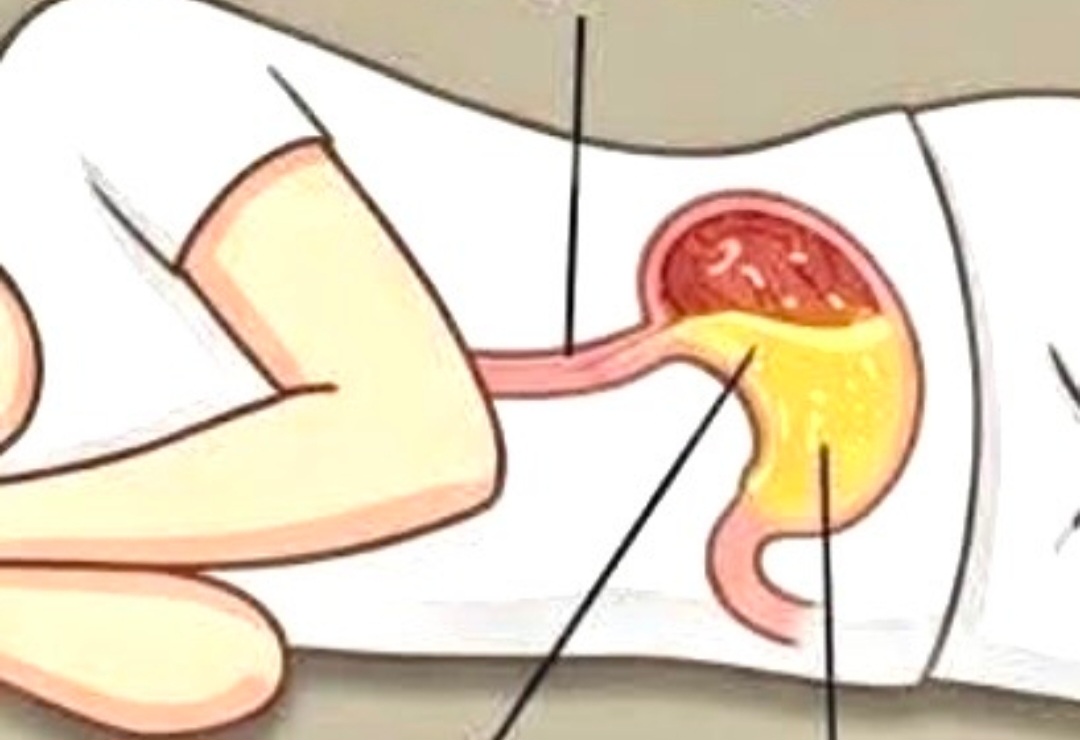
Understanding the Impact of Sleeping Positions: The Right Side vs. Left Side
While many people often consider the health benefits of sleeping positions, one common query arises: what happens if you consistently sleep on your right side? This article delves into the effects of various sleeping positions on health, particularly focusing on the implications of right-side sleeping. By understanding these effects, individuals can make informed decisions to enhance their overall sleep quality and well-being.
The Science Behind Sleep Positions
Understanding how our sleeping position affects our health requires a look into the anatomy and physiology involved in sleep. Human bodies undergo several processes during sleep, including cell regeneration, hormonal balance, and tissue repair. The position we choose to sleep in can influence these processes significantly.
How Right-Side Sleeping Affects the Body
Sleeping on your right side is a habit many individuals possess, but it can come with both benefits and drawbacks. Let’s explore the various aspects:
Benefits of Sleeping on the Right Side
- Heart Health: Some studies suggest that sleeping on the right side can relieve pressure on the heart, especially for individuals with certain cardiovascular conditions.
- Digestive Aid: Right-sided sleeping can aid in digestion by reducing the pressure on the stomach.
- Pregnancy Comfort: Pregnant women may find right-side sleeping more comfortable, particularly in the later stages of pregnancy.
Potential Drawbacks of Right-Side Sleeping
- Acid Reflux: Right-sided sleepers may experience increased occurrences of acid reflux symptoms because of how the stomach sits in relation to the esophagus.
- Joint Pain: Consistently sleeping on one side can lead to discomfort in the hips and shoulders over time.
- Reduced Blood Flow: Sleeping on the right side might restrict blood flow to certain areas, causing numbness or tingling.
The Left Side: An Alternative Perspective
While sleeping on the right side has its pros and cons, sleeping on the left side is often hailed as an optimal position for various health benefits. Let’s explore why some experts recommend this position.
Advantages of Left-Side Sleeping
- Improved Digestion: Left-side sleeping can help facilitate digestion by allowing food to pass more easily from the stomach to the intestines. This may reduce discomfort after meals.
- Enhanced Nutrient Absorption: The left side’s positioning naturally aligns the organs, making it easier for the body to absorb nutrients effectively during the night.
- Less Heartburn: Left-side sleepers often report lower instances of heartburn and acid reflux due to the gravitational position of the stomach.
- Reduced Pressure on Organs: This position may lessen strain on the liver and lungs, especially for pregnant women.
Is There a Perfect Sleeping Position?
While many studies indicate benefits associated with specific side sleeping, it’s crucial to recognize that individual comfort and health conditions can vary significantly. Thus, personal experience must always play a vital role when determining the best sleep position.
Factors to Consider When Choosing Your Sleeping Position
When deciding whether to sleep on your right or left side, consider the following factors:
- Existing Health Conditions: Individuals with certain health issues, especially those related to acid reflux or heart conditions, should consult healthcare professionals for personalized advice.
- Pregnancy: Pregnant women are often recommended to sleep on their side, preferably the left, for optimal blood circulation to the fetus.
- Personal Comfort Levels: Ultimately, comfort is paramount. It’s essential to find a position that encourages restful, uninterrupted sleep regardless of the side.
Additional Tips for Improving Sleep Quality
Invest in a Quality Mattress and Pillows
Your choice of bedding can significantly enhance your sleep experience. A supportive mattress and suitable pillows can alleviate discomfort associated with specific sleeping positions, whether you choose the right or left side.
Establish a Consistent Sleep Schedule
Maintaining a regular sleep schedule helps regulate your body’s internal clock, ensuring better sleep quality over time, regardless of sleep position.
Create a Relaxing Sleep Environment
Environment plays a critical role in sleep quality. Keep your bedroom dark, quiet, and cool to promote a more restful night of sleep.
Regular Exercise and Healthy Diet
Incorporating regular physical activities and maintaining a balanced diet can lead to improved sleep hygiene. Avoiding heavy meals and caffeine close to bedtime can further enhance sleep quality.
The Bottom Line: Your Sleeping Position Matters
Ultimately, the decision to sleep on your right side or left side should be informed by personal health considerations, comfort, and scientific insights. Both positions can offer unique benefits and challenges. By paying attention to your body’s signals and consulting with a healthcare provider when needed, you can embrace a sleeping habit that enhances your overall health and well-being.
Making informed decisions about sleep can transform not just your nights but your daily life. As you consider your sleeping habits, remember: quality sleep is as crucial as the position in which you sleep.