
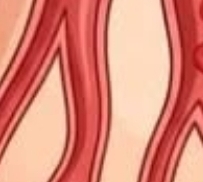
Understanding Poor Circulation: Causes and Symptoms
Poor circulation, often associated with various health issues, can significantly impact your day-to-day life. When blood flow is compromised, it can lead to discomfort and even more severe health conditions. In this article, we delve into the causes, symptoms, and effective remedies for poor circulation, helping you regain vitality and mobility.
What Causes Poor Circulation?
Several factors can contribute to poor circulation, including:
- Peripheral artery disease (PAD): A common condition where arteries narrow, reducing blood flow to limbs.
- Diabetes: High blood sugar levels can damage blood vessels and constrict blood flow.
- Obesity: Excess weight puts additional strain on the heart, leading to circulation issues.
- Smoking: Nicotine affects blood vessels and can result in long-term circulation problems.
- Age: As you get older, blood vessels may become less flexible, affecting circulation.
Recognizing the Symptoms of Poor Circulation
Identifying the symptoms of poor circulation is crucial for early intervention. Common signs include:
- Numbness or tingling: Often experienced in extremities like hands and feet.
- Cramps: Painful cramps may occur during physical activity.
- Cold extremities: Hands and feet may feel unusually cold.
- Swelling: Areas may appear swollen due to fluid buildup.
- Fatigue: General tiredness that doesn’t improve with rest.
How to Improve Blood Circulation in Just 20 Minutes
Improving blood circulation doesn’t have to be a time-consuming endeavor. Below are some efficient exercises and lifestyle changes that can enhance circulation within just 20 minutes.
Quick Exercises to Boost Circulation
Here are some quick but effective exercises you can do to enhance blood flow:
- Jumping Jacks: A great way to get your heart rate up and promote blood flow.
- Leg Raises: Lying flat on your back, raise your legs to a 90-degree angle to stimulate circulation.
- Arm Circles: Extend your arms out to the sides and make small circles to improve blood circulation in your upper body.
- Wall Push-Ups: Lean against a wall and perform push-ups to increase upper body circulation.
Stretching for Better Blood Flow
Incorporating stretches into your routine can also have outstanding benefits for circulation. Try these:
- Cobra Stretch: Lying flat on your stomach, push up with your arms to stretch your abdomen and improve blood flow to your vital organs.
- Hamstring Stretch: Sit on the floor and reach for your toes to increase flexibility and promote circulation in your legs.
- Calf Raises: Stand on the edge of a step and raise your heels for better blood flow to the lower extremities.
Dietary Changes to Support Circulation
A healthy diet plays a vital role in ensuring good circulation. Incorporating certain foods and nutrients can help improve your vascular health over time.
Foods to Include in Your Diet
- Fruits and Vegetables: Foods rich in antioxidants, such as berries, oranges, and leafy greens, can promote healthy blood flow.
- Whole Grains: Oats and whole grain bread can help lower cholesterol levels, improving circulation.
- Healthy Fats: Omega-3 fatty acids found in fish can help reduce inflammation and enhance circulation.
- Herbs and Spices: Garlic, cayenne pepper, and turmeric have properties that can support blood flow.
Hydration and Its Impact on Blood Circulation
Staying adequately hydrated is essential for maintaining good circulation. Water helps thin the blood, making it easier for your heart to pump effectively. Aim for at least 8 glasses of water a day and herbal teas can also contribute to hydration.
Lifestyle Changes to Enhance Circulation
In addition to diet and exercise, certain lifestyle modifications can significantly improve blood flow:
Quitting Smoking
Smoking constricts blood vessels and decreases circulation. Quitting can lead to improved heart health and better blood flow almost immediately.
Maintaining a Healthy Weight
Keeping your weight in check reduces strain on your heart and blood vessels, promoting better circulation. Consult with a nutritionist for a tailored meal plan that suits your needs.
Regular Health Checkups
Regular appointments with your healthcare provider can aid in early detection of circulatory issues. Monitoring cholesterol and blood pressure levels is crucial for maintaining good vascular health.
When to Seek Medical Advice
While minor symptoms can often be managed at home, some signs may require professional attention. It’s essential to consult a healthcare professional if you experience:
- Severe pain: Intense pain in the limbs that doesn’t improve.
- Signs of a heart attack: Chest pain, shortness of breath, or radiating pain in arms and jaws.
- Persistent numbness: Especially if it affects one side of the body.
Conclusion
Understanding and addressing poor circulation is vital for maintaining overall health. Regular exercise, a balanced diet, and lifestyle changes can significantly improve your blood flow and reduce your risk of related health issues. Remember to consult with a healthcare professional if you have any concerns, and take proactive steps toward healthier circulation today.